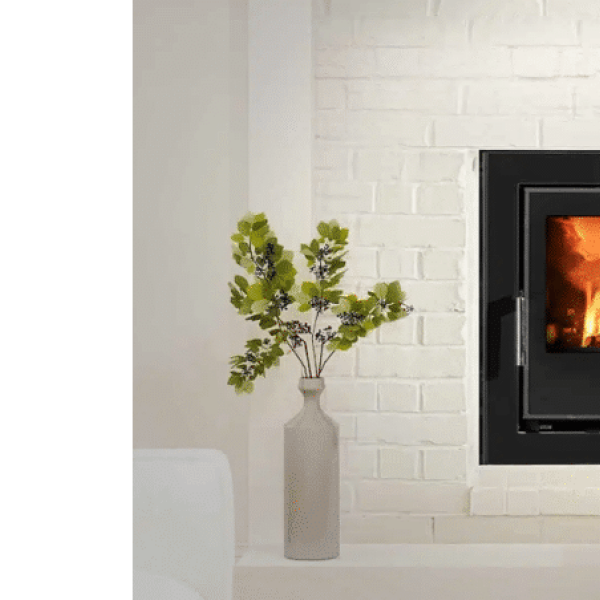
Built-In Fireplaces With a Fan and It’s Worth It
A built-in fireplace with a fan can do more than just heat the space directly in front of it. It can help move warm air throughout your home, improving comfort and making better use of the heat you’re already generating. With Hydrofire’s range of solutions, this added functionality becomes a practical way to improve heat circulation and overall efficiency.
This guide explains when a fireplace fan is worth it, how it affects heat circulation, and what to consider before you invest.
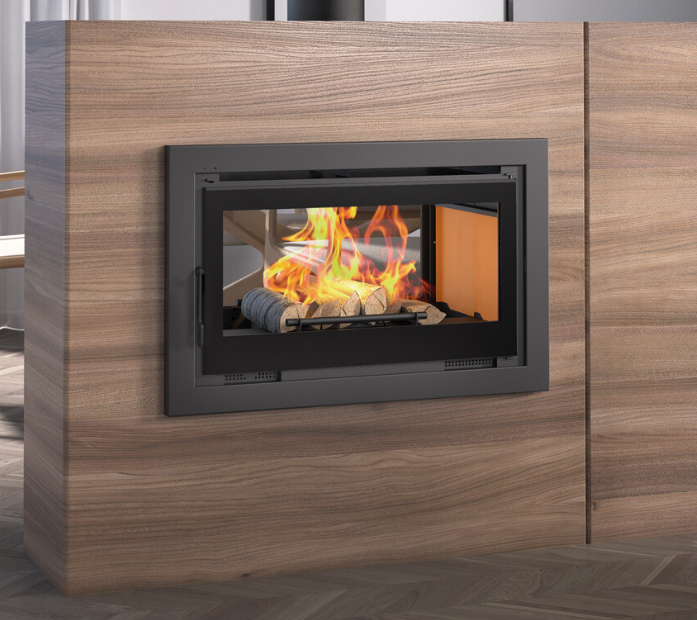
How Hydrofire Built-In Fireplaces With a Fan Change Heat Distribution
A standard built-in fireplace produces radiant heat, which warms the area closest to the unit. While this works well in smaller or enclosed spaces, heat can struggle to reach other parts of the room or flow into adjacent areas.
Adding a fireplace fan introduces convection. Instead of heat staying concentrated near the firebox, warm air is pushed outward and circulated more evenly. This improves overall heat distribution and reduces cold spots.
A built-in fireplace with a fan becomes especially useful in open-plan layouts or larger rooms where natural heat movement is limited. The fan helps carry warmth further, making the fireplace more effective as a primary or supplementary heat source.
If you want to explore models designed for this purpose, look into Hydrofire’s Built-in Fireplaces with Fan range.
Rooms That Benefit Most From Fireplace Fan Convection
Not every room requires a fireplace fan, but certain layouts benefit far more than others.
Open-plan living areas are one of the biggest winners. Without walls to contain heat, warm air tends to rise and disperse unevenly. A fan helps push that heat across the space, improving comfort throughout.
Rooms with high ceilings also benefit. Heat naturally rises, leaving the lower part of the room cooler. A convection fan helps bring that warmth back down and circulate it where people actually sit and relax.
Homes aiming for room-to-room warmth can also gain from a built-in fireplace with a fan. While it won’t replace a full ducted system, it can help move heat toward adjacent areas, especially when paired with thoughtful placement and airflow planning.
For more general options, you can also review the full Hydrofire Built-in Fireplaces range to compare different heating styles.
Noise and Comfort Expectations With Hydrofire Fireplace Fan Convection
One of the most common concerns about fireplace fans is noise. Modern Hydrofire units are designed to run quietly, but it’s important to understand what to expect.
Most fireplace fan convection systems operate at low noise levels, often comparable to a soft background hum. In many cases, the sound blends into the natural crackle of the fire. However, higher fan speeds can increase noise slightly, particularly in very quiet rooms.
Comfort is where these systems stand out. The steady movement of warm air creates a more consistent temperature throughout the room. Instead of intense heat near the fireplace and cooler areas further away, you get a more balanced environment.
Choosing a quality unit and ensuring proper installation plays a big role in both noise control and overall comfort.
Placement Tips for Better Airflow and Heat Circulation
Even the best built-in fireplace with a fan won’t perform well if it’s poorly positioned. Placement has a direct impact on how effectively heat moves through your space.
Installing the fireplace along a central wall often improves distribution. This allows warm air to travel outward in multiple directions rather than being trapped in one section of the room.
Avoid placing furniture too close to the unit, as this can block airflow and reduce the effectiveness of the fan. Keeping a clear path for air movement helps maintain consistent circulation.
If your goal is heat circulation into nearby rooms, consider how doorways and open passages align with the fireplace. Positioning the unit where air can naturally flow into these spaces makes a noticeable difference.
For more precise planning, using Hydrofire’s Fireplace Output Calculator can help determine the right unit size and placement for your home.
Common Mistakes When Choosing a Hydrofire Built-In Fireplace With a Fan
One of the biggest mistakes homeowners make is choosing the wrong size fireplace.
An oversized unit can produce too much heat for the space, making the room uncomfortable even with a fan distributing the warmth. On the other hand, an undersized fireplace may struggle to heat the room effectively, even with added airflow.
Another common issue is assuming that a fan alone will solve poor layout or insulation problems. While fireplace fan convection improves heat movement, it cannot compensate for heat loss or inefficient room design.
Ignoring airflow paths is also a frequent oversight. Without considering how air will move through the space, even a high-quality system can fall short of expectations.
Taking time to assess your room size, layout, and heating goals will help avoid these issues.
Checklist for Choosing the Right Hydrofire Built-In Fireplace With a Fan
Choosing the right unit comes down to understanding your space and how you want heat to behave within it.
Start by identifying the size of the area you want to heat. This determines the output required and ensures the fireplace performs efficiently.
Consider whether you want to heat a single room or encourage room-to-room warmth. This will influence both the type of unit and its placement.
Look at the fan specifications, including airflow capacity and noise levels. Not all fans perform the same, and these details can affect your experience.
Think about integration with your home’s design. A built-in fireplace should complement both the layout and the overall aesthetic of the space.
You can also explore Hydrofire Accessories that support airflow and performance, depending on your setup.
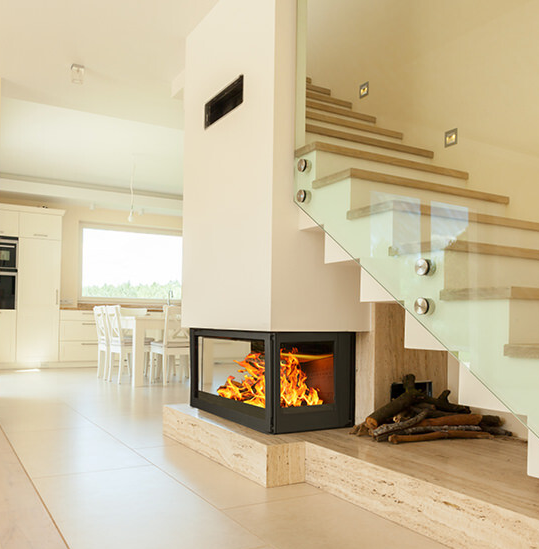
FAQ About Hydrofire Built-In Fireplace With a Fan
Is a Hydrofire built-in fireplace with a fan more efficient than one without?
A built-in fireplace with a fan can improve how efficiently heat is used within a space. While the heat output may be similar, the fan helps distribute that heat more evenly, reducing cold spots and making the room feel consistently warm. This often means you rely less on additional heating sources.
Can a fireplace fan help with room-to-room warmth?
A fireplace fan can assist with room-to-room warmth, especially in open-plan homes or spaces with connected layouts. It helps push warm air toward adjacent areas, but results depend on placement, airflow paths, and how open the connecting spaces are.
Are Hydrofire fireplace fans noisy during operation?
Most modern Hydrofire fireplace fan convection systems are designed to operate quietly. At lower speeds, the sound is minimal and often blends with the fire itself. Higher speeds may produce a soft hum, but it is usually not disruptive in a typical living environment.
Do all Hydrofire built-in fireplaces come with a fan?
Not all built-in fireplaces include a fan as standard. Some models offer it as an optional feature, while others are designed specifically for convection heating. It’s important to check specifications when comparing options to ensure the unit meets your needs.
How do I choose the right size Hydrofire fireplace with a fan?
Selecting the right size depends on the room’s dimensions, insulation, and heating goals. Using tools like a Fireplace Output Calculator can help match the unit to your space, ensuring effective performance without overheating or underheating.
Explore Hydrofire Built-In Fireplaces With a Fan for Better Heat Circulation
If you’re looking to improve heat circulation and create a more comfortable living space, Hydrofire built-in fireplaces with a fan offer a practical solution. They help spread warmth more evenly and support room-to-room comfort without overcomplicating your setup.



.jpg "Traditional vs Ultra-Dense Underfloor Heating Systems")
.jpg "Central Heating Systems for Modern South African Homes")
.jpeg "How to Make My Central Heating More Efficient")
.jpg "Do You Need a Thermostat for Underfloor Heating?")