Cantilever Parasols vs Outdoor Umbrellas: What Actually Matters (Wind, UV, and Base Weight)
Choosing shade for an outdoor space seems simple — until it isn’t.
A patio may look spacious in the afternoon, then become uncomfortably exposed by midday. A poolside area may feel perfectly positioned, until the wind shifts and the umbrella begins to sway. A hospitality venue may install multiple units, only to realise that coverage does not align with table layouts.
The decision between cantilever parasols and traditional outdoor umbrellas is not purely aesthetic. It involves structure, base weights, wind exposure, UV performance, and intended use.
Hydrofire regularly assists South African homeowners and hospitality operators comparing cantilever parasols to more conventional outdoor umbrellas. The most common mistake is choosing based on appearance alone. The smarter approach is to understand what truly matters: coverage geometry, wind stability, fabric quality, base weight capacity, and long-term durability.
This guide explains the real differences between cantilever parasols and outdoor umbrellas, and how to select the right solution based on layout, climate, and use.
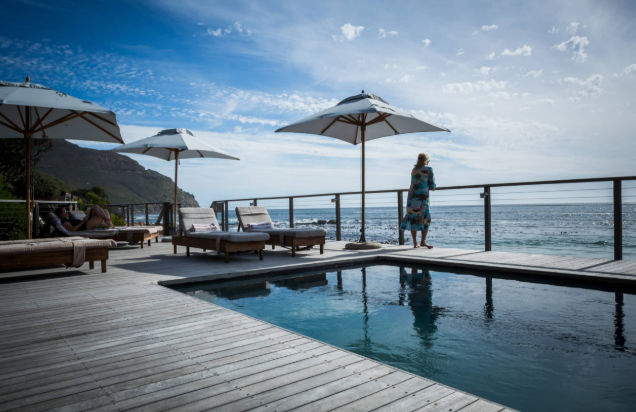
Hydrofire Explains Coverage and Furniture Layout Differences
The first — and often overlooked — difference between cantilever parasols and traditional outdoor umbrellas is pole placement.
Hydrofire on Central-Pole Outdoor Umbrellas
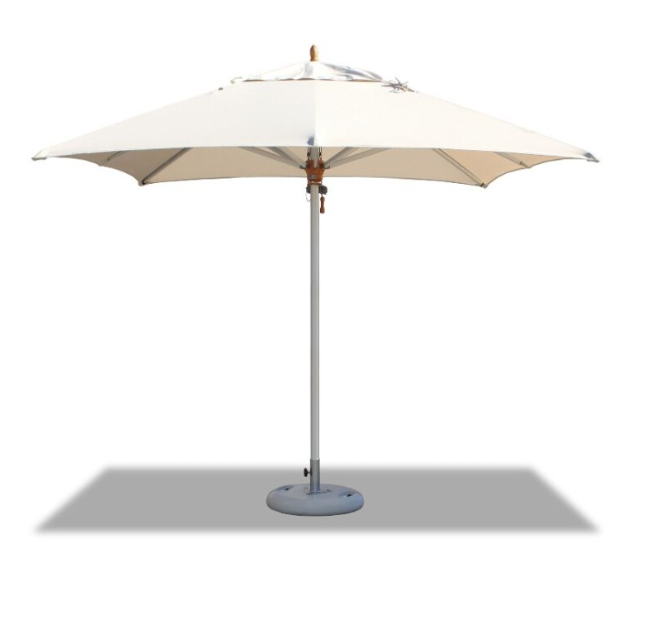
Traditional outdoor umbrellas are designed with a central pole that runs vertically from base to canopy. This works well when the umbrella can be placed directly through a patio table or positioned centrally in a dining set.
For compact patio settings or smaller seating clusters, this design is efficient. The pole provides symmetrical canopy distribution, and weight is evenly directed downward into the base.
However, the central pole can interrupt flexible furniture layouts. Lounges, modular seating, and irregular table groupings often require more adaptable shade coverage.
Hydrofire’s Parasol Umbrellas category includes both central-pole and cantilever designs, allowing homeowners to match shade geometry to layout.
Hydrofire on Cantilever Parasols and Offset Shade Design
Cantilever parasols, sometimes referred to as offset shade umbrellas, shift the pole to the side. The canopy extends outward from an anchored arm, creating open space beneath the shade.
This design allows for:
-
Unobstructed seating areas
-
Flexible furniture arrangements
-
Lounge sets without central obstruction
-
Larger coverage areas
For open-plan patios, pool decks, and hospitality terraces, cantilever parasols provide greater spatial freedom.
Hydrofire notes that canopy size selection becomes especially important with cantilever designs, as offset positioning increases leverage forces on the base.
Hydrofire’s Wind Reality Check for Cantilever Parasols and Outdoor Umbrellas
Wind is not a minor consideration in South Africa.
Coastal regions, inland Highveld gusts, and sudden seasonal weather shifts can expose weaknesses in poorly selected shade structures.
Hydrofire on Why Wind Stability Matters More Than Style
Cantilever parasols offer flexibility, but they also introduce leverage. Because the canopy extends outward from a side-mounted pole, wind exerts rotational force around the base.
Traditional outdoor umbrella, by contrast, direct wind force more vertically down through the central pole.
This does not mean one is weaker than the other. It means base weight and positioning become critical.
Hydrofire strongly advises customers to treat wind exposure as a primary selection factor rather than an afterthought.
Hydrofire on Realistic Wind Expectations
No free-standing shade umbrella is designed for severe storm conditions. Cantilever parasols and outdoor umbrellas should be closed during strong winds.
However, daily breezes require stable engineering. Heavier canopy sizes require proportionally heavier base weights. Underestimating this relationship is the most common cause of wobble.
Hydrofire’s parasol buyer guidance page explains why canopy size and base selection must be considered together.
Hydrofire Explains Base Weights and Why They Matter
Base weight is not optional. It is structural.
Hydrofire on How Base Weights Work
The base anchors the umbrella against lateral wind force and vertical uplift.
For central-pole outdoor umbrellas, weight is directed straight downward through the shaft.
For cantilever parasols, the offset canopy creates torque. This means the base must counterbalance sideways leverage, not just downward pressure.
Hydrofire’s Umbrella Accessories section includes various base weights designed to match canopy diameter and structural design.
Hydrofire on Matching Base Weight to Canopy Size
Larger canopy sizes require heavier base systems. A 3m canopy behaves differently under wind compared to a 2.5m canopy.
Hydrofire recommends choosing canopy size first, then matching the correct base weight to ensure stability.
Insufficient base weight leads to:
-
Visible wobble
-
Frame stress
-
Premature joint wear
-
Potential tipping
Choosing correctly prevents these issues.
Hydrofire on UV Protection and Fabric Basics
Shade is not only about comfort — it is about UV exposure.
Hydrofire on UV Protection Umbrellas
High-quality outdoor umbrellas use fabric designed for UV protection. UV-rated canopy materials block harmful rays while maintaining colour integrity.
Hydrofire emphasises checking UV performance ratings rather than assuming all fabrics perform equally. Lower-grade fabric may fade quickly and lose structural tension.
UV protection umbrellas provide both immediate comfort and long-term health benefits.
Hydrofire on Fabric Durability in South African Conditions
South Africa’s climate combines intense sun exposure with occasional heavy rain.
Fabric should resist:
-
UV degradation
-
Moisture retention
-
Mildew formation
-
Colour fading
Cantilever parasols with premium canopy materials maintain tension and appearance longer than budget alternatives.
Hydrofire advises customers to prioritise fabric quality as highly as frame construction.
Hydrofire on Residential vs Hospitality Use
Not all outdoor umbrellas are used equally.
Hydrofire on Residential Cantilever Parasols
For residential patios, cantilever parasols offer design flexibility and comfort. They work well in pool areas and large seating zones.
Homeowners typically open and close umbrellas manually, meaning weight and rotation mechanisms should be easy to operate.
Hydrofire’s Parasol Umbrellas category includes designs suited to domestic use, balancing durability with usability.
Hydrofire on Hospitality and Commercial Shade Requirements
Hospitality environments demand higher durability.
Restaurants, lodges, and event venues expose shade umbrellas to daily use and greater foot traffic. Wind exposure may be more frequent, and closing umbrellas during service hours may not always be practical.
Commercial use requires:
-
Heavier base weights
-
Reinforced frame joints
-
Stronger fabric tension systems
Hydrofire recommends assessing daily use intensity before selecting canopy design.
Hydrofire Care Tips to Prevent Wobble and Rust
Long-term stability depends on maintenance.
Hydrofire on Preventing Frame Wobble
Over time, bolts and pivot points may loosen under repeated movement.
Regular inspection and tightening reduce joint fatigue.
For cantilever parasols, pivot arms should move smoothly without lateral slack. If wobble develops, base weight should also be reassessed.
Hydrofire on Preventing Rust and Corrosion
Moisture exposure combined with coastal air can accelerate corrosion.
Hydrofire advises:
-
Closing umbrellas during storms
-
Storing cushions separately
-
Drying canopy before long-term closure
-
Inspecting metal components periodically
Protective covers available in the Umbrella Accessories section can extend lifespan significantly.
Hydrofire on Choosing Between Cantilever Parasols and Outdoor Umbrellas
The right choice depends on layout, wind exposure, canopy size, and intended use.
Central-pole outdoor umbrellas suit compact dining areas and simpler layouts.
Cantilever parasols offer flexibility for larger lounge or poolside settings.
Double canopy layering and reinforced arms may benefit hospitality environments.
Hydrofire recommends starting with canopy size selection. Once coverage requirements are clear, matching the appropriate base weight ensures structural integrity.
Cantilever Parasols vs Outdoor Umbrellas Requires Practical Thinking
Cantilever parasols and traditional outdoor umbrellas both provide effective shade when selected correctly.
The difference lies in:
-
Coverage geometry
-
Wind response
-
Base weight requirements
-
Fabric quality
-
Intended use environment
Hydrofire encourages homeowners and venue operators to prioritise structure over trend.
Choose canopy size first, then match the right base.
By considering wind exposure, UV protection, base weight, and maintenance, outdoor shade becomes a reliable feature rather than a seasonal frustration.
For guidance, explore Hydrofire’s Parasol Umbrellas category, Umbrella Accessories, and parasol buyer guidance resources to ensure shade selection is informed and stable.

.jpg "Traditional vs Ultra-Dense Underfloor Heating Systems")
.jpg "Central Heating Systems for Modern South African Homes")
.jpeg "How to Make My Central Heating More Efficient")
.jpg "Do You Need a Thermostat for Underfloor Heating?")