Cast Iron Myths, Busted: What You Can (and Can’t) Cook in Chasseur Enameled Cast Iron Cookware | Hydrofire Cape Town
Cast iron cookware has a reputation for lasting generations, but it’s also surrounded by myths that cause hesitation among new users. Many cooks wonder if they can use soap on cast iron, if tomato sauce will damage it, or if acidic foods like lemon juice can ruin the surface. The truth depends on the type of cast iron — and when it comes to Chasseur enameled cast iron cookware, the rules are different.
At Hydrofire in Cape Town, Chasseur cookware combines classic French craftsmanship with modern enamel technology to provide durable, easy-to-care-for cookware that eliminates common concerns. Let’s explore what you really can — and can’t — do with your enameled cast iron cookware.
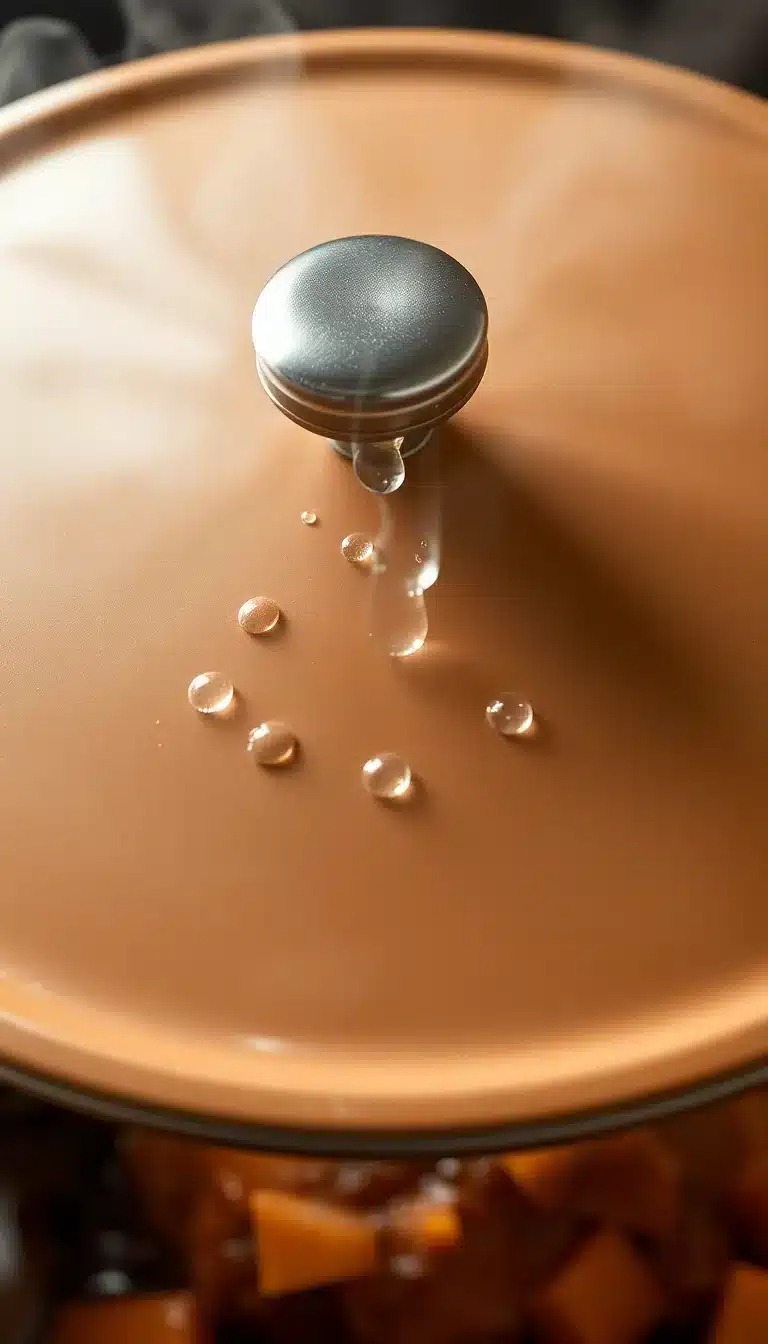
Enameled Cast Iron Cookware: Durable, Versatile, and Timeless
Why Enamel Makes a Difference
Traditional bare cast iron requires seasoning to maintain a natural nonstick surface and prevent rusting. Enameled cast iron, like Chasseur, is coated with a durable layer of vitreous enamel that seals the metal entirely. This means there’s no need for seasoning, and the surface is resistant to rust and staining. The enamel layer also allows you to cook a wider variety of foods without the risks associated with uncoated iron.
Everyday Uses in the Modern Kitchen
Enameled cast iron cookware is versatile enough for everyday use. From searing meats and simmering stews to baking bread and slow-cooking casseroles, Chasseur pots distribute heat evenly and retain warmth long after cooking. The enamel surface makes them ideal for cooking and serving in the same dish — a practical and stylish choice for Cape Town homes.
Chasseur’s Heritage in Cookware Craftsmanship
Chasseur has been producing high-quality enameled cast iron cookware in France since the early 1900s. Each piece is cast and finished by hand, ensuring precision and durability. Hydrofire offers this premium cookware locally, giving South African cooks access to timeless craftsmanship and performance trusted by chefs around the world.
What Foods Cannot Be Cooked in Cast Iron?
One of the most common questions is what foods should not be cooked in cast iron. The answer depends on whether your cookware is seasoned or enameled.
In bare cast iron, highly acidic foods like tomatoes, vinegar, and lemon juice can strip the seasoning and cause metallic flavours. However, Chasseur enameled cast iron cookware is protected by its enamel coating, so you can safely cook tomato sauces, citrus-based marinades, and wine reductions without worrying about damage.
The key is moderation — while enameled cast iron resists corrosion, it’s best to avoid storing acidic foods in the pot for extended periods. Cooking is perfectly fine; long-term storage is not recommended.
Can You Use Soap on Cast Iron Cookware?
The myth that soap ruins cast iron comes from traditional, uncoated skillets that rely on a built-up oil seasoning. Because Chasseur enameled cast iron cookware doesn’t require seasoning, using mild dish soap is completely safe.
Step-by-Step: How to Clean Enameled Cast Iron Cookware
-
Allow the cookware to cool before washing.
-
Rinse with warm water to remove food residue.
-
Use a soft sponge and mild soap to clean the surface.
-
For stubborn stains, soak with warm water and baking soda.
-
Dry thoroughly before storing.
Avoid abrasive scrubbers or harsh detergents, which can dull the enamel’s shine. Hydrofire also offers accessories such as trivets and non-scratch cleaning tools to help preserve your cookware’s finish.
Common Cast Iron Questions: Myths and Facts
Tomato Sauce in Cast Iron – Safe or Not?
In bare cast iron, tomato sauce can cause a metallic taste and dull the surface. However, Chasseur enameled cast iron cookware allows you to simmer tomato-based dishes safely. The enamel barrier prevents acid from reacting with the iron, maintaining the integrity of both the food and the cookware. Tomato sauces, stews, and braises all cook beautifully in Chasseur casseroles without any flavour transfer.
Do Onions Ruin Cast Iron?
Onions don’t ruin cast iron, but in bare pans, they can absorb residual flavours if the seasoning isn’t stable. In enameled cast iron, onions pose no problem at all. They can be caramelised, sautéed, or slow-cooked without affecting the pot’s surface. The smooth enamel interior ensures even heat and easy cleaning, making it ideal for everyday cooking.
Is Lemon Juice Harmful to Enamel?
Lemon juice and other acidic ingredients won’t harm enameled cast iron cookware during normal cooking. The enamel is non-reactive and protects the metal beneath. However, long-term exposure — like storing lemon-based dishes overnight — is not recommended, as it may cause slight dulling over time. Cook, serve, and transfer leftovers to another container for storage.
Caring for Your Chasseur Cookware
To keep your cookware in top condition, always allow it to cool before washing to prevent thermal shock. Avoid stacking heavy items inside each other, and use a protective liner or cloth between pieces if needed. When cooking, always use low to medium heat; enameled cast iron retains heat efficiently and doesn’t require high temperatures.
Hydrofire also supplies complementary accessories such as trivets and cleaning tools designed to protect your Chasseur casserole pots and stew pots, ensuring long-term performance and visual appeal.
Frequently Asked Questions About Enameled Cast Iron Cookware
Can enameled cast iron cookware go in the oven?
Yes. Enameled cast iron is oven-safe up to high temperatures, depending on the handle material. Chasseur cookware can be used for roasting, baking, and braising. The enamel surface distributes heat evenly, ensuring food cooks consistently. Always check the manufacturer’s temperature limit for specific models.
Can enameled cast iron be used on induction stovetops?
Absolutely. Chasseur enameled cast iron cookware is compatible with all stovetops, including induction. The heavy base ensures even heating and energy efficiency. This versatility allows you to move seamlessly between stovetop and oven without needing multiple cookware types.
Does enameled cast iron need to be seasoned?
No. Unlike bare cast iron, enameled cast iron cookware requires no seasoning. The enamel glaze acts as a barrier that prevents rust and eliminates the need for oil-based coating. Cleaning is easy, and food releases naturally from the smooth interior surface.
What causes discoloration inside enameled cast iron?
Minor discoloration can occur from cooking certain foods at high heat. This is purely cosmetic and does not affect performance. To remove stains, soak the interior with warm water and baking soda or a mild cleaning paste. Avoid bleach or harsh abrasives.
How long does enameled cast iron cookware last?
With proper care, enameled cast iron can last a lifetime. The enamel coating resists chipping and corrosion, while the iron base provides strength and even heating. Chasseur cookware from Hydrofire is designed for everyday use and can be passed down through generations.
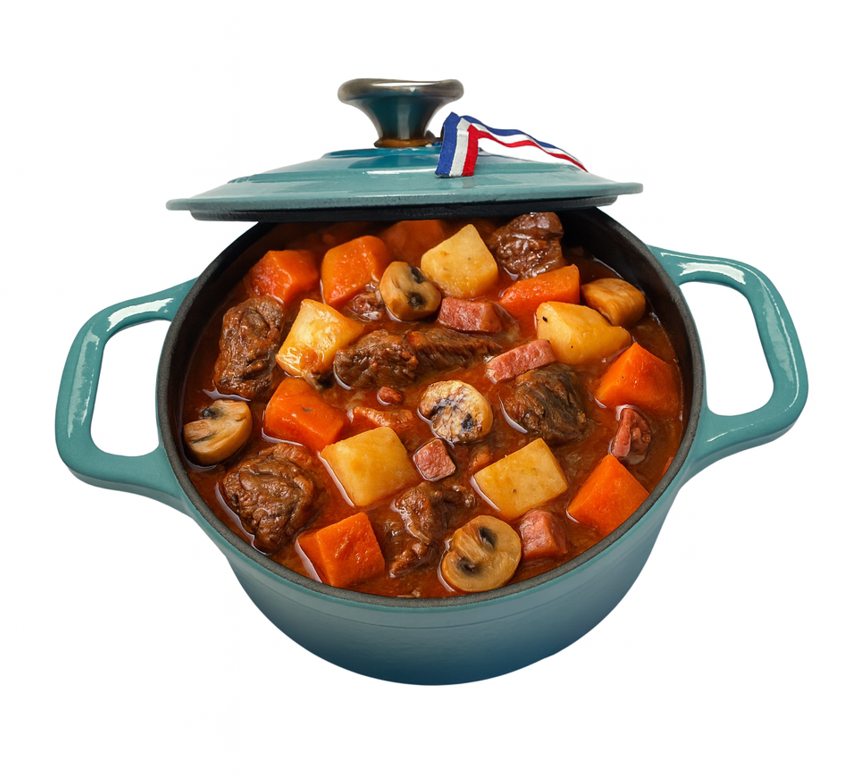
The Final Word on Enameled Cast Iron Cookware
Enameled cast iron cookware, like Chasseur from Hydrofire Cape Town, combines the durability of traditional cast iron with the convenience of modern enamel technology. It eliminates many of the myths surrounding maintenance and cooking safety, allowing cooks to enjoy versatile performance without the stress of seasoning or rust.
Whether preparing tomato sauce, slow-cooked stews, or baked casseroles, Chasseur enameled cast iron cookware delivers consistent results and long-lasting beauty. With the right care and accessories, available through Hydrofire, your cookware will remain a dependable kitchen essential for decades to come.




.jpg "Traditional vs Ultra-Dense Underfloor Heating Systems")
.jpg "Central Heating Systems for Modern South African Homes")
.jpeg "How to Make My Central Heating More Efficient")
.jpg "Do You Need a Thermostat for Underfloor Heating?")