Choosing the Right Flue Kit: A Hydrofire Guide to Safer Fireplace Performance
A fireplace is only as effective and safe as the system that supports it. While much attention is given to the firebox itself, the flue system plays an equally critical role in performance, safety, and long-term reliability. Selecting the correct flue kit is essential for efficient draft, proper smoke evacuation, and compliance with chimney safety requirements.
In South African homes, where fireplaces range from compact freestanding units to large closed combustion systems, flue selection must be approached carefully. Hydrofire provides this detailed guide to help homeowners understand how flue systems work, how to choose between single-skin and insulated flue options, how to determine correct fireplace flue size, and how to use Hydrofire’s Flues Calculator to match components accurately.
This guide also explains common installation layouts, key flue components, and essential safety and maintenance considerations to support safer fireplace performance.
What a Flue System Does According to Hydrofire
A flue system is responsible for directing combustion gases safely from the fireplace to the outside environment. Without a correctly designed and installed flue kit, even the highest-quality fireplace cannot perform as intended.
Hydrofire explains that a flue system must achieve three core objectives:
-
Create sufficient draft to support clean combustion
-
Remove smoke, gases, and particulates efficiently
-
Protect the structure of the home from heat and exhaust gases
How Draft Works Inside a Flue System
Draft is created by the temperature difference between hot exhaust gases inside the flue and cooler air outside. As hot gases rise, fresh air is drawn into the firebox, sustaining combustion.
A correctly sized and configured flue kit ensures this process remains stable. Hydrofire notes that poor draft is often caused by incorrect fireplace flue size, excessive offsets, or unsuitable flue materials.
Why the Flue Is Central to Fireplace Performance
A fireplace may appear visually impressive, but without a properly matched flue system, performance issues quickly arise. These can include:
-
Smoke spillage into the room
-
Difficulty lighting or maintaining a fire
-
Excessive soot buildup
-
Reduced heating efficiency
Hydrofire stresses that flue selection should be treated as a technical decision rather than an accessory choice.
Single-Skin vs Insulated Flues: Guidance from Hydrofire
One of the most common questions homeowners face is whether to use a single-skin flue or an insulated flue. Each has a specific purpose, and using the wrong type in the wrong location can compromise both safety and performance.
Single-Skin Flues Explained by Hydrofire
Single-skin flues consist of a single layer of steel and are typically used:
-
Inside the room where the fireplace is located
-
Where the flue run remains fully visible
-
In applications where additional radiant heat is beneficial
Hydrofire explains that single-skin flues allow heat to radiate into the room, contributing to overall warmth. However, they are not suitable for passing through ceilings, roofs, or enclosed spaces.
When Hydrofire Recommends Insulated Flues
An insulated flue consists of an inner flue surrounded by insulation and an outer casing. This design keeps exhaust gases hotter for longer while reducing external surface temperatures.
Hydrofire recommends insulated flues when:
-
Passing through ceilings or roofs
-
Running externally outside the building
-
Meeting clearance requirements near combustible materials
Insulated flues play a key role in chimney safety by maintaining stable draft and reducing heat transfer to surrounding structures.
Combining Single-Skin and Insulated Flue Systems
In many installations, a flue kit will include both flue types. Hydrofire commonly specifies:
-
Single-skin flue from the fireplace to ceiling level
-
Insulated flue from the ceiling upward through the roof
This configuration balances heat contribution inside the room with safety through structural zones.
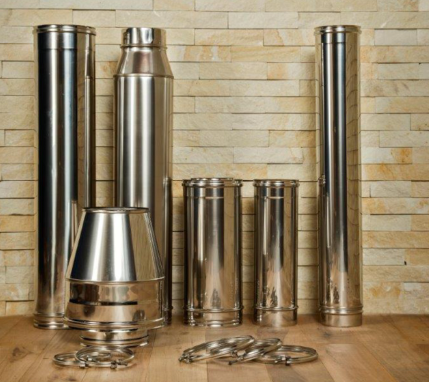
Key Flue Kit Components Explained by Hydrofire
A complete flue kit includes more than just straight flue lengths. Each component plays a specific role in stability, weather protection, and compliance.
Flue Pipes and Sections
Straight flue sections form the primary vertical path for exhaust gases. Hydrofire supplies CE-certified flues designed to meet performance and safety standards.
Correct length selection is essential to achieving adequate draft.
Cowls and Termination Caps
Cowls sit at the top of the flue and help:
-
Prevent downdrafts
-
Reduce rain ingress
-
Limit bird and debris entry
Hydrofire offers multiple cowl options matched to flue type and installation height.
Brackets and Supports
Flue brackets secure the system to walls or structures, preventing movement and stress on joints. Hydrofire notes that correct spacing of brackets is critical for long-term stability
Ceiling Plates and Fire Stops
Ceiling plates create a neat, sealed transition where the flue passes through a ceiling. Fire stops maintain required clearances and improve chimney safety.
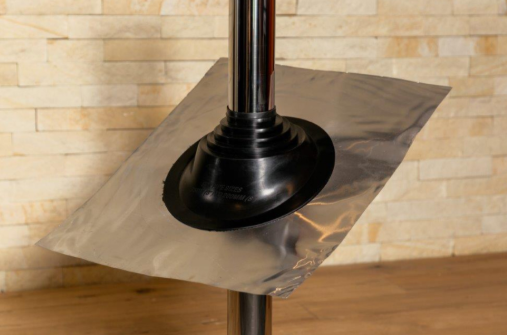
Roof Flashing and Storm Collars
Flashing ensures a watertight seal where the flue exits the roof. Hydrofire explains that flashing selection must match roof pitch and roofing material to prevent leaks.
Typical Installation Layouts Explained by Hydrofire
Every home presents different structural challenges. Hydrofire outlines two common flue installation layouts used in South African properties.
Straight Vertical Runs
A straight vertical flue run offers the most efficient draft and simplest installation. Hydrofire recommends straight runs wherever possible, as they:
-
Improve combustion stability
-
Reduce soot accumulation
-
Simplify fireplace flue size calculations
Offset and Angled Flue Runs
Offsets are sometimes unavoidable due to roof trusses or architectural constraints. Hydrofire advises limiting the number and angle of offsets, as each bend increases resistance and reduces draft efficiency.
Using the Flues Calculator helps assess whether additional height or adjustments are required when offsets are present.
External Wall Flue Installations
External flue runs often require insulated flues throughout their length. Hydrofire explains that maintaining exhaust temperature is especially important in exposed installations.
Using Hydrofire’s Flues Calculator
Selecting the correct flue kit manually can be complex. To simplify the process, Hydrofire provides a dedicated Flues Calculator designed to guide users through component selection.
How the Flues Calculator Works
The Flues Calculator considers:
-
Fireplace type
-
Fireplace flue size
-
Flue height
-
Number of offsets
-
Installation layout
Based on these inputs, the calculator recommends compatible flue components from Hydrofire’s flues category.
Why Fireplace Flue Size Matters
Fireplace flue size must match the fireplace outlet to maintain correct exhaust velocity. Hydrofire warns that undersized flues restrict flow, while oversized flues can cool gases too quickly.
The calculator ensures flue dimensions remain within optimal ranges.
Matching Calculator Results to Products
Once results are generated, users can:
-
Browse the flues category
-
Use the “shop by flue type” filter (insulated or single-skin)
-
Match components directly to their fireplace
This reduces guesswork and improves installation accuracy.
CE-Certified Flues and Chimney Safety
Safety is central to any flue system. Hydrofire supplies CE-certified flues that meet European testing standards for temperature resistance, corrosion performance, and structural integrity.
Why CE Certification Matters
CE-certified flues have been tested under controlled conditions to ensure predictable performance. Hydrofire explains that this certification supports compliance and reduces risk in residential installations.
Clearances and Combustible Materials
Maintaining correct clearances around flues is essential for chimney safety. Insulated flues significantly reduce external temperatures, allowing safer routing through ceilings and roofs.
Preventing Chimney Fires
Correct sizing, proper insulation, and regular maintenance reduce creosote buildup. Hydrofire emphasises that chimney safety starts with correct flue kit selection.
Common Flue Kit Mistakes Identified by Hydrofire
Through consultation, Hydrofire has identified recurring flue system errors.
Mixing Incompatible Components
Combining parts from different systems can compromise seals and safety ratings.
Incorrect Use of Single-Skin Flue
Using single-skin flue where insulated flue is required is a common and serious error.
Ignoring Total Flue Height Requirements
Insufficient height leads to poor draft regardless of flue diameter.
Flue Maintenance and Long-Term Performance
A flue system requires ongoing attention to remain safe and effective.
Regular Inspections
Hydrofire recommends annual inspections to check:
-
Joint integrity
-
Soot buildup
-
Bracket stability
Cleaning and Soot Management
Proper draft reduces soot accumulation, but periodic cleaning remains essential.
Replacing Components When Needed
Damaged or corroded flue sections should be replaced promptly to maintain safety.
Safety and Maintenance Checklist from Hydrofire
-
Confirm correct fireplace flue size
-
Use insulated flue through ceilings and roofs
-
Ensure CE-certified flues are used
-
Maintain required clearances
-
Inspect and clean annually
Hydrofire’s Approach to Safer Fireplace Performance
By combining education, certified components, and digital tools, Hydrofire helps homeowners build flue systems that support reliable, safe fireplace operation.
Homeowners are encouraged to use the Flues Calculator, then add the matched parts to cart or request help from Hydrofire for confirmation and guidance.



.jpg "Traditional vs Ultra-Dense Underfloor Heating Systems")
.jpg "Central Heating Systems for Modern South African Homes")
.jpeg "How to Make My Central Heating More Efficient")
.jpg "Do You Need a Thermostat for Underfloor Heating?")