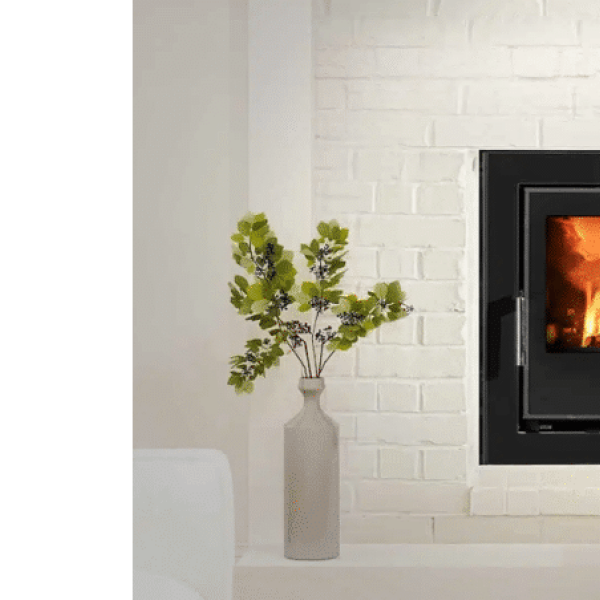
Converting an Old Open Hearth: From Drafty to Dreamy
There’s something nostalgic about an old open hearth. It carries history, character, and a sense of tradition that many homeowners don’t want to lose. But when winter sets in, that charm often comes with a downside—cold drafts, inconsistent heat, and a fireplace that looks good but doesn’t quite do the job.
This is where converting an old open hearth becomes more than a renovation project. It becomes an opportunity to rethink how your home is heated.
At Hydrofire, this transformation is a familiar one. By introducing built-in fireplace inserts like the Vulcan and Merida, an outdated feature can be turned into a high-performance heating solution—one that delivers both warmth and visual impact.
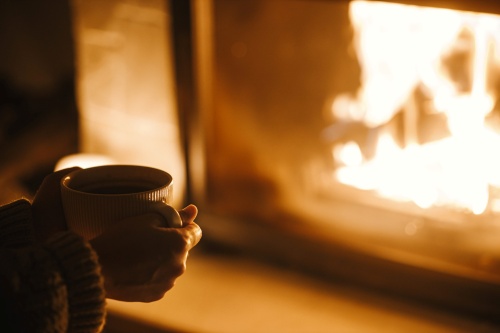
Converting an Old Open Hearth: Why the Upgrade Matters
Open fireplaces were never designed with efficiency in mind. They were built for atmosphere, not performance.
The Problem with Traditional Open Hearths
Most open fireplaces lose the majority of their heat through the chimney. Instead of warming the room, they often draw warm air out of the space, creating a draft that works against the rest of your home.
The result is familiar to many homeowners:
-
Rooms that never quite feel warm
-
Increased reliance on additional heating
-
A fireplace that is used less often than intended
Over time, what was meant to be a focal point becomes more decorative than functional.
Turning a Weak Point into a Strength
This is where converting an old open hearth makes a noticeable difference. By installing a closed combustion insert, the fireplace is no longer just a visual feature—it becomes a reliable heat source.
The transformation is immediate. Instead of losing heat, the system retains and distributes it, creating a space that feels consistently warm.
Built-in Fireplace Inserts: The Core of the Transformation
The key to this upgrade lies in the insert itself.
What Makes a Built-in Insert Different
A built-in fireplace insert is designed to fit directly into an existing open hearth, using the same structural space while completely changing how the system operates.
Unlike open fireplaces, inserts are sealed units. They control airflow, regulate combustion, and maximise heat output. This means more heat stays in the room, rather than escaping through the flue.
A Cleaner, More Efficient Burn
With controlled combustion, fuel is used more effectively. Logs burn more completely, producing more heat and less waste.
This not only improves performance but also reduces the amount of fuel needed over time—something that becomes particularly noticeable during colder months.
The Vulcan and Merida Inserts: Designed for Performance and Presence
Not all inserts are the same. The choice of unit determines both how the system performs and how it looks within the space.
The Vulcan Insert: Strength and Heat Output
The Vulcan insert is designed for homeowners who want strong, consistent heat. It is built to handle larger spaces, delivering high output while maintaining efficiency.
Once installed, it changes the way a room feels. Heat is no longer concentrated near the fire—it spreads, creating a more balanced environment.
The Merida Insert: Refined Design with Reliable Performance
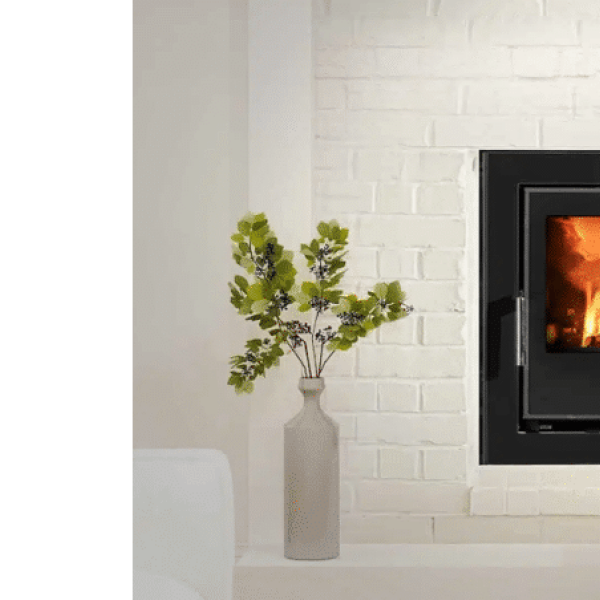
The Merida insert offers a slightly different approach. While still highly efficient, it focuses on a more refined visual presence.
It integrates seamlessly into modern interiors, turning the fireplace into a feature wall that works both functionally and aesthetically.
A Shared Advantage
Both the Vulcan and Merida inserts represent a clear upgrade from traditional open systems. They combine controlled combustion with considered design, ensuring that the fireplace becomes a central part of the home again—not just something that is occasionally used.
From Drafty to Comfortable: What Changes After the Upgrade
The impact of installing a built-in insert goes beyond heat output. It changes how the entire room behaves.
Eliminating Cold Air Draw
One of the most noticeable improvements is the removal of drafts. Open fireplaces pull air from the room to feed the fire, often bringing cold air in from outside.
With a closed system, this effect is reduced significantly. The room feels more stable, with fewer temperature fluctuations.
Creating Consistent Warmth
Instead of heat rising and disappearing, it is retained and circulated within the space. This creates a more comfortable environment, especially during longer winter evenings.
The difference is not just in temperature, but in how that temperature is maintained.
Converting an Old Open Hearth as Part of a Renovation Strategy
For homeowners already planning upgrades, the fireplace is often an overlooked opportunity.
Making Use of Existing Structure
One of the advantages of converting an old open hearth is that it builds on what is already there. The existing cavity and chimney can be adapted to accommodate a modern insert.
This reduces the need for major structural changes while still delivering a significant improvement in performance.
Turning the Fireplace into a Feature
Once upgraded, the fireplace often becomes a focal point again. The clean lines of an insert, combined with consistent heat output, give the space a sense of purpose.
It is no longer just a decorative element—it becomes part of how the home is used during winter.
The Role of Professional Guidance in Getting It Right
While the concept of installing an insert may seem straightforward, the details matter.
Why System Design Is Important
Every home is different. Factors such as room size, chimney condition, and airflow all influence how well an insert will perform.
Without proper assessment, even a high-quality unit may not deliver the expected results.
Hydrofire’s Approach to Fireplace Conversions
Hydrofire treats each conversion as a complete system rather than a simple installation. This includes evaluating the existing structure, selecting the appropriate insert, and ensuring that the flue and ventilation are correctly configured.
This level of attention ensures that the system works as intended from the start.
Long-Term Value: More Than Just a Visual Upgrade
A fireplace upgrade is not just about improving how a room looks—it’s about improving how it functions over time.
Reduced Heating Costs
With higher efficiency, less fuel is required to achieve the same level of warmth. This leads to lower running costs, particularly in homes that rely on heating regularly.
A More Sustainable Approach
Using fuel more effectively also reduces waste, making closed combustion systems a more sustainable option compared to traditional open fireplaces.
Increasing Property Appeal
A well-designed, high-performing fireplace adds value to a home. It becomes a feature that stands out—not just visually, but in terms of practicality.

Turn your old fireplace into something that actually heats your home—speak to Hydrofire about Vulcan and Merida inserts and start your upgrade this winter.
The charm of an open hearth is undeniable. But in modern homes, charm alone is not enough.
By converting an old open hearth into a system with built-in fireplace inserts, homeowners can retain the character of their space while introducing a level of performance that older systems simply cannot match.
With options like the Vulcan and Merida inserts, the result is a fireplace that works as hard as it looks—delivering consistent warmth, improved efficiency, and a space that feels complete.
Because in the end, the goal is simple. Not just to have a fireplace, but to have one that truly works.


.jpg "Traditional vs Ultra-Dense Underfloor Heating Systems")
.jpg "Central Heating Systems for Modern South African Homes")
.jpeg "How to Make My Central Heating More Efficient")
.jpg "Do You Need a Thermostat for Underfloor Heating?")