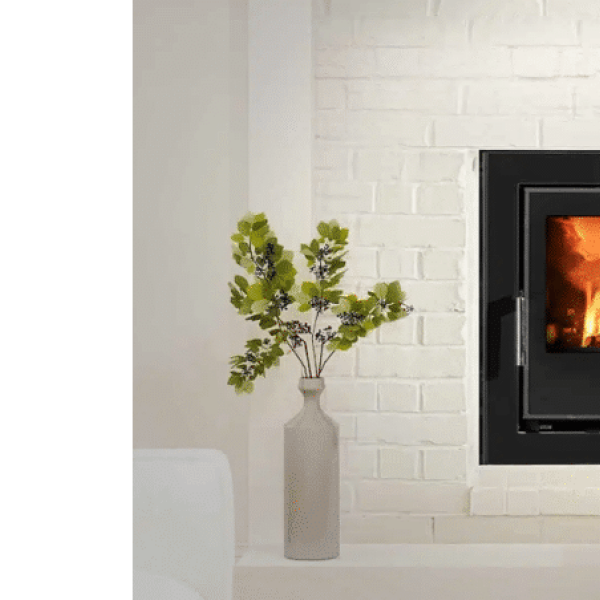
Freestanding vs Built-In Fireplace and Which One Fits Your Space?
When comparing freestanding vs built-in fireplace options, the right choice usually comes down to three things: how much heat you need, how complex the installation will be, and how you actually use the room every day. For some homes, a freestanding unit offers strong heat output and simpler placement. For others, a built-in closed combustion fireplace creates a cleaner architectural look that suits a new build or full renovation. At Hydrofire, both styles have a place, but they solve slightly different problems.
A fireplace should do more than look good in winter. It needs to fit your floor plan, your flue route, your expectations around maintenance, and the way you live. A family that wants dependable whole-room warmth may not choose the same unit as a homeowner focused on design impact in a formal lounge. That is why it helps to look beyond appearance and compare performance, installation, lifestyle fit, and long-term practicality before you decide.
Heat-First vs Ambience-First
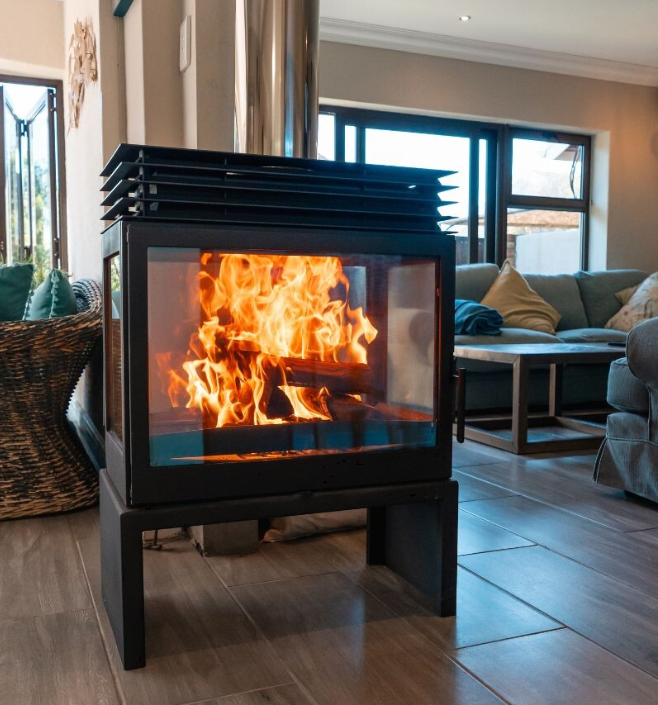
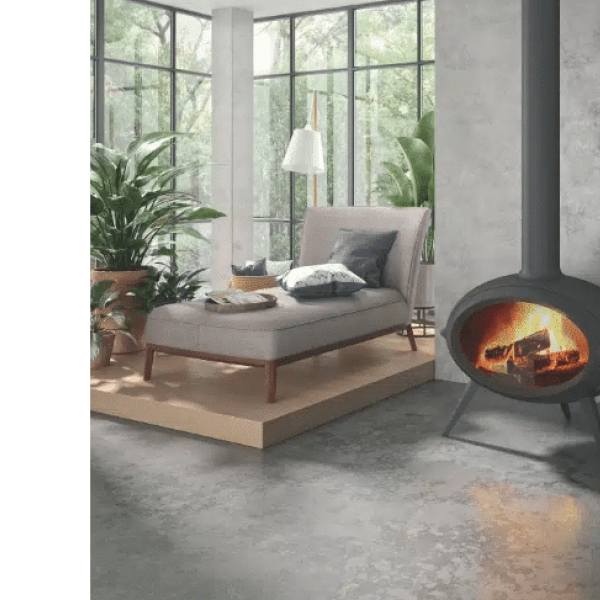
If heat output is your main priority, the freestanding vs built-in fireplace debate often starts with how directly each unit can warm the room. Freestanding fireplaces are often chosen for strong radiant and convected heat. Because more of the firebox body is exposed, heat can move into the room efficiently, making this style attractive for people who want a practical heating solution during colder months. In many homes, this can make a freestanding model feel fast-acting and effective, especially in living spaces where warmth matters more than a minimalist finish.
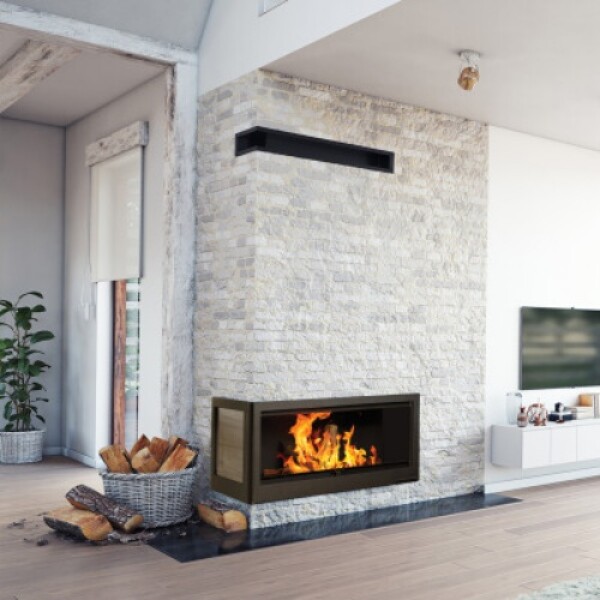
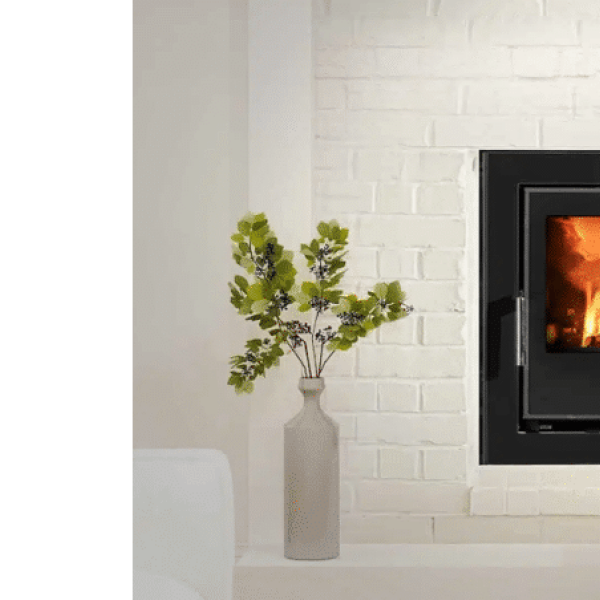
A built-in option, especially a closed combustion fireplace, can also deliver impressive performance, but the experience is different. Built-in units are often selected when homeowners want controlled heat paired with a sleek, integrated look. In the right design, they become part of the room rather than a stand-alone feature. That makes them ideal for interiors where visual flow matters just as much as warmth.
If ambience comes first, built-in fireplaces usually have the edge. They can frame the flame view beautifully and create a more custom, high-end focal point. Freestanding fireplaces still offer plenty of charm, especially in contemporary, rustic, or industrial interiors, but they tend to make a stronger visual statement as an appliance. Built-in units, by contrast, can feel more seamless and tailored to the architecture.
The key question is whether you want the fireplace to lead with performance, blend into the design, or do both equally well. In a highly used family room, heat-first thinking often wins. In a formal entertaining area, ambience may carry more weight.
Installation and Flue Routing Considerations
Installation often decides the outcome faster than style preferences do. A freestanding fireplace is usually more forgiving when it comes to retrofitting an existing home. If you already have a suitable corner, wall section, or hearth area, it may be easier to position the unit and route the flue with less disruption. That can make freestanding fireplaces appealing for renovation projects where you want to improve heating without rebuilding major sections of the room.
Built-in fireplaces usually require more planning. You need to think about framing, cavity dimensions, clearances, finishing materials, and how the fireplace will sit within the wall or chimney breast. If you are building a new home or doing a major remodel, that level of planning can be worthwhile because the final result looks intentional and polished. If you are working within an established room, the construction side may be more involved than expected.
Flue routing matters in both cases. A well-designed flue system supports proper draw, safety, and overall fireplace performance. Hydrofire’s flue range is designed to carry exhaust gases safely outdoors and includes single-wall and insulated options, which makes flue selection an important part of the project rather than an afterthought. A fireplace that looks perfect on paper can become less practical if the flue route is awkward, too visible, or difficult to install cleanly.
This is where product choice and site conditions need to work together. Ceiling height, roofline, room position, and even the path the flue needs to follow can affect your options. In simple terms, the best fireplace for your home is the one that fits the room and allows for a sensible, safe flue route without forcing compromises everywhere else.
Placement Flexibility and Future Moves
Placement flexibility is one of the biggest reasons homeowners lean toward freestanding units. A freestanding fireplace can often be positioned in spaces where a built-in design would be harder to justify. It may work well against a wall, in a corner, or in a spot where you want a visible heating appliance without committing to major built work. That freedom is useful when you are upgrading an existing room or still figuring out the long-term layout of the house.
In the freestanding vs built-in fireplace comparison, built-in models are less flexible once installed, but that permanence can also be a strength. If you know exactly how you want the room to function for years to come, a built-in fireplace can anchor the entire design. It becomes part of the architecture, which is often the goal in premium open-plan homes, new builds, and carefully designed living spaces.
Future moves also matter in a less literal way. Most homeowners are not planning to move their fireplace often, but they do change furniture layouts, renovate rooms, and alter how they use their homes. A freestanding unit may adapt more easily to those shifts. A built-in fireplace asks for more confidence upfront because the room often ends up organised around it.
If your home is still evolving, or you want a heating solution that feels less fixed, freestanding may suit your lifestyle better. If you want a statement feature that adds structure to the room and supports a long-term design vision, built-in usually makes more sense.
Cleaning and Maintenance Expectations
Maintenance is another area where expectations should be realistic. Both freestanding and built-in fireplaces need regular care if you want safe, efficient performance. Ash removal, glass cleaning, checking seals, and inspecting the flue are all part of responsible ownership. The difference is usually in accessibility and how visible the unit is within the room.
A freestanding fireplace can be simpler to access from multiple sides, depending on the model and installation. That can make day-to-day cleaning feel straightforward. You can often reach surfaces more easily, and the appliance itself is not enclosed by surrounding structure. For homeowners who value practicality, that is a real advantage.
A built-in closed combustion fireplace can still be easy to maintain, but access depends more on the design. Hydrofire notes that many fireplace options are developed with ease of maintenance in mind, including features that help reduce smoke and soot on the glass. That is useful in both categories, but built-in units may still require more thought around service access and the surrounding finishes.
It also helps to think about how you feel about visible wear. A freestanding fireplace reads more like a hardworking appliance, so small signs of use may not bother you. A built-in fireplace is often part of a refined design scheme, which means homeowners may be more attentive to keeping the glass, trims, and nearby finishes looking neat.
Which Works Best for Open-Plan Rooms
Open-plan living changes the fireplace conversation because one unit often has to do more. It may need to warm a broader area, complement a kitchen or dining zone, and still look balanced from several angles. In these spaces, there is no one-size-fits-all answer.
A freestanding fireplace can work well in open-plan rooms when strong heat output is the priority and the layout allows the unit to radiate warmth effectively. In a large family living area, a well-positioned freestanding model can feel functional and welcoming. It can also suit interiors that embrace texture, contrast, and a more relaxed look.
A built-in fireplace often performs better visually in open-plan spaces because it helps define a focal point without adding too much visual weight. It can separate zones subtly, support a media wall, or create symmetry in a long room. If the rest of the home has a clean, architectural style, built-in is often the more natural fit.
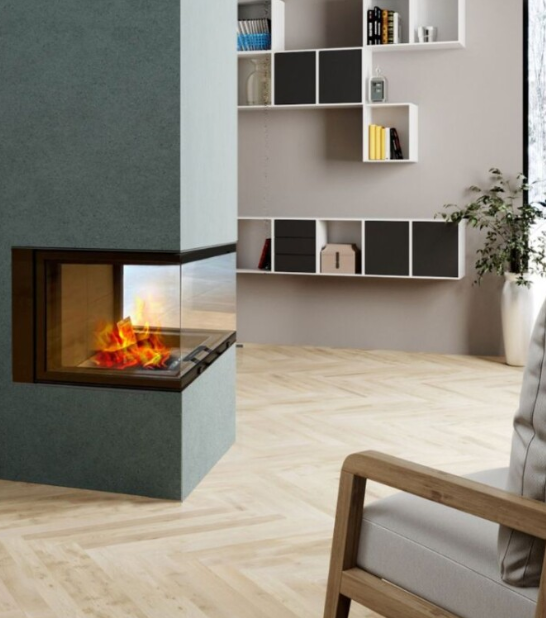
Double-sided and side-glass concepts can also be relevant in open-plan homes, especially where you want the flame visible from more than one zone. Hydrofire offers a wide range of fireplace styles, which is helpful when the room needs both heating performance and design flexibility.
The best option depends on whether your open-plan room needs a heating solution that stands out or one that blends in. If the fireplace will serve as a practical heat source for a large shared area, freestanding deserves serious consideration. If the room needs a refined centrepiece that supports flow and sightlines, built-in is often the better answer.
Quick Decision Checklist
A simple way to decide between a freestanding and built-in fireplace is to picture the room on an ordinary winter evening rather than on installation day. Ask yourself what matters most once the novelty wears off. Do you want quick, dependable warmth in a lived-in room? Do you want a fireplace that feels integrated with the home’s architecture? Are you trying to avoid major building work, or are you already renovating enough that a built-in installation makes sense?
It is also worth considering how fixed your plans are. If you want more flexibility, a freestanding fireplace is often the easier choice. If you are shaping a room around a long-term design vision, built-in may give you the cleaner result you want. Think about the flue route early, not at the end, because practical installation limits can quickly narrow your options.
Most importantly, match the fireplace to the way you live. A visually stunning unit that does not suit your heating needs will disappoint. A high-output unit that dominates a room in the wrong way can also feel like the wrong fit. The best choice sits in the middle of performance, installation practicality, and lifestyle fit.
If you want to explore the options further, Hydrofire’s Freestanding Fireplaces range, Built-in Fireplaces range, Flues category, and Fireplace Output Calculator are all useful places to continue your research.
Frequently Asked Questions about Freestanding vs Built-In Fireplace
Is a freestanding or built-in fireplace better for heat output?
That depends on the room and the model, but freestanding fireplaces are often chosen when homeowners want direct, effective room heating. Because much of the unit is exposed, heat can move into the room efficiently. A built-in closed combustion fireplace can still deliver strong performance, especially in a well-planned installation, but the right answer comes down to room size, insulation, and how you want the heat to feel in the space.
Is a closed combustion fireplace always built in?
No, not always. The term closed combustion fireplace refers to how the fireplace burns and contains the fire, rather than only how it is installed. Many built-in units fall into this category, but the important point is efficiency, controlled burning, and how the fireplace is designed to perform. When comparing products, it is best to look at both combustion type and installation style together.
Which fireplace is easier to install in an existing home?
In many renovation scenarios, a freestanding fireplace is easier to install because it usually offers more placement flexibility and may require less structural work. Built-in fireplaces tend to need more construction planning, especially if you are creating a cavity, adding finishes, or integrating the unit into the room design. Flue routing is still critical in both cases, so the easiest option depends on the home’s layout and roof access too.
What is the best choice for an open-plan room?
Open-plan rooms can suit either style, but the best option depends on whether you care more about visual integration or strong practical heating. A built-in fireplace often works beautifully as an architectural focal point in a modern open-plan home. A freestanding unit can be an excellent choice where warmth and flexible placement matter more. The room’s proportions, furniture layout, and heating expectations should guide the decision.
Do freestanding and built-in fireplaces need different maintenance?
Both need regular care, including ash removal, glass cleaning, and flue inspection. Freestanding fireplaces can feel easier to access because the unit is more exposed. Built-in fireplaces can still be simple to maintain, but the installation design affects how easily you can reach certain components and keep nearby finishes looking neat. Good maintenance habits matter more than the category alone.
Talk to Hydrofire About the Right Freestanding vs Built-In Fireplace
Choosing the right freestanding vs built-in fireplace option is easier when you can compare heat output, installation requirements, and lifestyle fit with expert guidance. Hydrofire offers a wide range of fireplace solutions, along with flues and tools that help you make a more informed decision.
If you are planning a new installation or upgrading an existing room, explore Hydrofire’s freestanding and built-in fireplace ranges, review flue options, and use the Fireplace Output Calculator to narrow down what will work best in your space.



.jpg "Traditional vs Ultra-Dense Underfloor Heating Systems")
.jpg "Central Heating Systems for Modern South African Homes")
.jpeg "How to Make My Central Heating More Efficient")
.jpg "Do You Need a Thermostat for Underfloor Heating?")