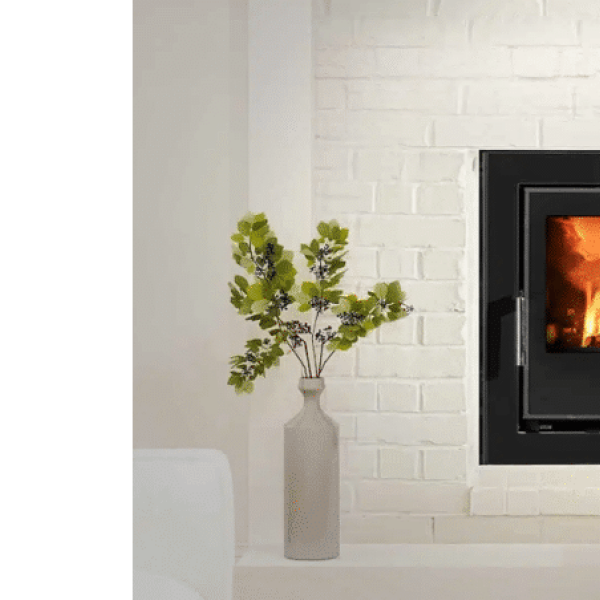
Freestanding vs Built-In Fireplaces: A Hydrofire Guide to Finding Your Perfect Fit
Choosing between a freestanding vs built-in fireplace usually starts with one question: which fireplace will suit the way your home is built and the way you want to live in it? Hydrofire guides South African homeowners through that decision by looking at the room, the style you love, the flue requirements and the heating experience you want.
Finding your perfect heating solution should feel exciting, not overwhelming. A fireplace is a long-term home heating investment, so the best choice depends on practical details such as room volume, ceiling height and insulation, as well as the atmosphere you want to create when the fire is lit.
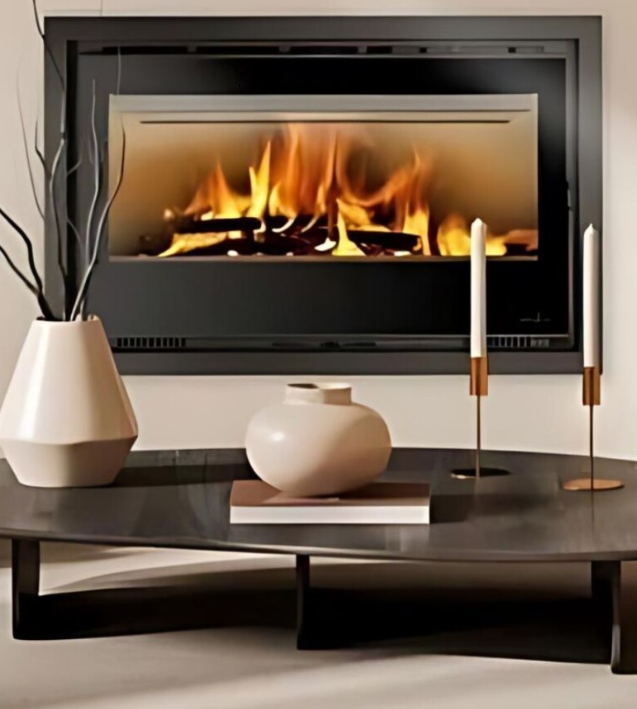
The real difference between freestanding and built-in fireplaces
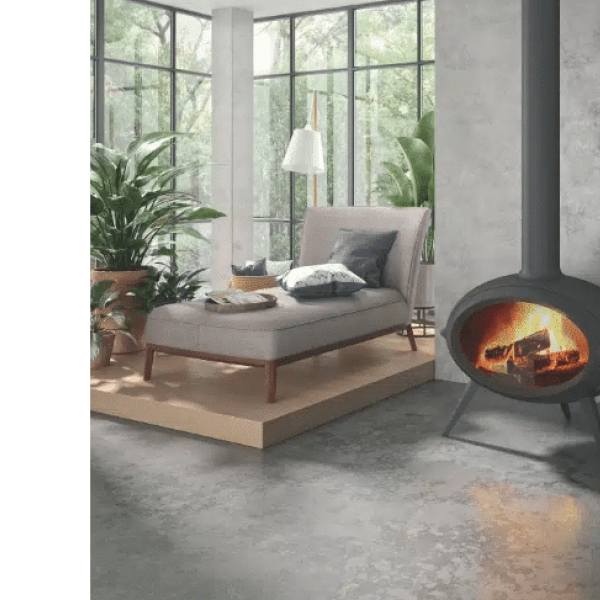
Freestanding fireplaces stand within the room as visible units. They often become part of the furniture layout and bring a strong sense of character to the space. For many homes, the fire becomes a natural focal point around which the lounge is arranged.
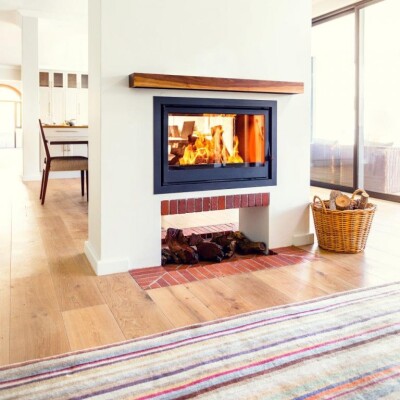
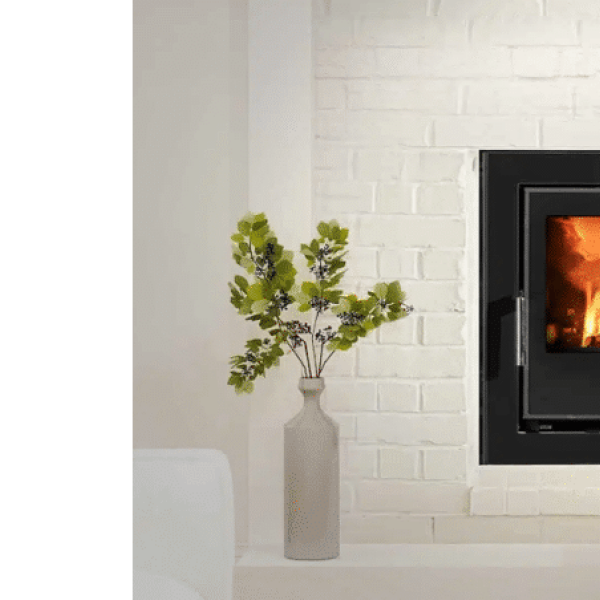
Built-in fireplaces are integrated into a wall, surround or prepared structure. They create a cleaner architectural finish and are often chosen during renovations, new builds or carefully planned interior updates. The fire is still a feature, but the unit itself feels more connected to the room design.
Neither option is automatically better. The right fireplace depends on your layout, preferred fireplace style, heating output needs and installation planning.
Freestanding fireplaces for visible warmth and character
Freestanding fireplaces can add warmth and visual character to a living space. They work well in rooms where the fireplace is intended to be seen from more than one angle, or where the unit’s shape and finish are part of the design story.
In open-plan living areas, a freestanding fireplace can help define a cosy gathering point without necessarily needing a full feature wall. Placement still matters. The unit needs to work with furniture, movement through the room and the most practical route for the flue.
The model should also be matched to the space. Heat output, ceiling height and room volume all influence whether a particular freestanding fireplace is the right fit.
Built-in fireplaces for a seamless interior finish
Built-in fireplaces suit homeowners who want a more integrated heating feature. They are often used in modern homes where clean lines, planned finishes and a balanced wall design are important.
This style needs earlier planning than many people expect. The wall structure, surrounding finishes and flue setup should be considered before the fireplace is chosen. Built-in fireplaces with fans may also be worth discussing for some spaces, depending on the room and product requirements.
A built-in fireplace can look beautifully simple once complete, but the planning behind it should be practical and product-specific.
Choosing a fireplace style for your living room
If you are searching for a living room indoor fireplace, think about the room on an ordinary winter evening. Where do people sit? Where does the room feel coldest? How will the fire be viewed from the sofa, dining area or kitchen?
A freestanding unit tends to create a more visible fireplace moment. It can suit homes where warmth, texture and the glow of the fire are central to the room’s personality.
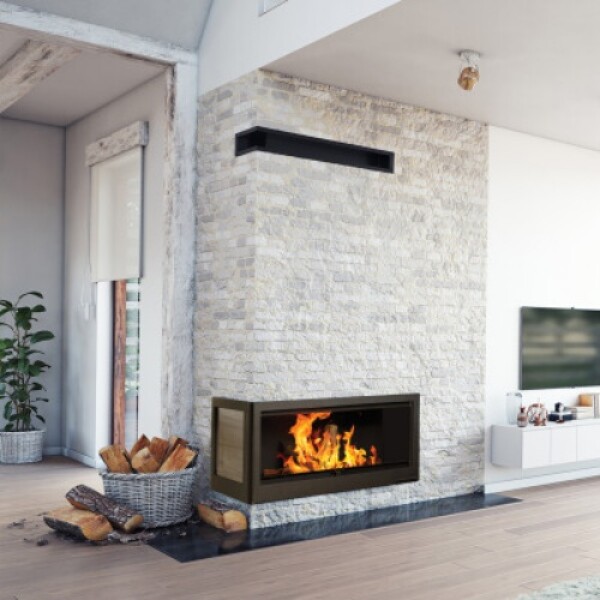
A built-in unit often suits a more architectural approach. It can sit neatly within a feature wall or planned interior, especially where the fireplace needs to work with cabinetry, finishes or a cleaner lounge layout.
Installation planning and flue requirements
Flues are an essential part of safe and effective fireplace performance. The correct setup depends on the fireplace model, roof type and building layout. It should be selected with product compatibility and installation requirements in mind.
A freestanding fireplace still needs proper flue planning. This is especially important in rooms with high ceilings, exposed beams or more complex roof lines. A built-in fireplace adds another layer of planning because the wall, surround and finish must also suit the product.
Hydrofire’s flues calculator is a useful starting point for understanding what may be required. Final guidance should always be confirmed before purchase, as flue components need to suit the specific fireplace and building conditions.
Heating performance depends on more than the fireplace shape
A fireplace can look perfect in a showroom and still be the wrong output for your room. Heating performance depends on the size of the space, the height of the ceiling and how well the home holds heat. Layout and ventilation also influence how the warmth moves.
Freestanding and built-in fireplaces can both provide comfortable heating when selected and installed correctly. The better question is not which type is stronger, but which model is correctly matched to your home.
Hydrofire’s fireplace output calculator can guide your first comparison. For more detailed product advice, room measurements, photos and ceiling height details give the team a clearer picture of your space.
Everyday use, maintenance and access
A fireplace becomes part of your daily winter rhythm, so it is worth thinking beyond the first evening by the fire. Cleaning access, ash removal and servicing requirements should all form part of the decision.
If your search is focused on an inside wood fireplace, you are probably drawn to the warmth and atmosphere of a real wood-burning experience. That glow is part of the appeal, but wood-burning fireplaces still need the right fuel, responsible use and regular care.
Freestanding fireplaces often make the unit more visible and accessible. Built-in fireplaces need careful thought around access points and surrounding finishes, particularly if the fireplace is part of a larger feature wall.
Budgeting for the full fireplace project
Your budget should include more than the fireplace unit. Flue components, installation requirements and finishing work can all affect the full project. This is one of the reasons it is useful to compare options with experienced consultants before making a final decision.
A freestanding fireplace is not automatically the lower-cost route in every home. A built-in fireplace is not automatically the better long-term value. The right decision depends on the product, the room and the work involved.
Product availability may change, so confirm current stock before finalising your purchase. Delivery details should also be checked before setting firm installation plans.
What does prefab fireplace mean?
Homeowners sometimes use the term prefab fireplace when they mean a ready-made fireplace unit, or a product that feels easier to plan than a fully custom masonry feature. The term can mean different things depending on the product and the home design.
Ready-made does not mean universal. A fireplace still needs the correct product selection, compatible flue components and professional installation guidance. The unit, the room and the building conditions all need to work together.
A quick fireplace comparison
Use this as a simple guide before you compare specific models. The final choice should still be based on your room details and installation requirements.
-
Style: Freestanding fireplaces feel visible and sculptural. Built-in fireplaces feel more seamless and architectural.
-
Space: Freestanding units need the right position in the room. Built-in options need suitable wall and surround planning.
-
Installation planning: Both need product-specific flue guidance before purchase.
-
Heat output: Neither style is automatically better. Output should be matched to the room.
-
Maintenance: Access, cleaning and ongoing care should be considered early.
-
Best-fit rooms: Freestanding options often suit visible feature spaces. Built-in options suit planned interiors and cleaner finishes.
How to choose with confidence
Choose a freestanding fireplace if you want a strong design feature and visible warmth in the room. It may suit your home if the unit can sit comfortably within the layout and the flue route can be planned correctly.
Choose a built-in fireplace if you are renovating, designing a feature wall or working towards a more integrated finish. It works best when the fireplace, wall structure and flue setup are considered before the surrounding interior work is completed.
If you are not sure which direction to take, that is a normal part of the process. Hydrofire’s experienced engineers and consultants bring extensive product and industry knowledge to the decision, so you can compare fireplace options with practical guidance rather than guesswork.
Frequently asked questions
Is a freestanding fireplace better than a built-in fireplace?
Not automatically. Freestanding and built-in fireplaces suit different homes, layouts and design preferences. The right choice depends on output needs, flue planning and the heating experience you want.
Which fireplace works best for open-plan living?
Open-plan living spaces often have more air volume to heat, so output selection is important. Ceiling height, insulation and furniture layout should be reviewed before choosing a model.
Can I have a wood-burning fireplace inside my living room?
Yes, a wood-burning fireplace can be used indoors when the correct product, flue setup and ventilation requirements are in place. Suitability should be confirmed for the specific room and fireplace model.
Do freestanding fireplaces still need flue planning?
Yes. A freestanding fireplace still needs a compatible flue setup based on the fireplace model, roof type and building layout.
What should I know before choosing a built-in fireplace?
Built-in fireplaces should be planned around the wall structure, finishing details, heat output and flue route. It is best to confirm installation requirements before finalising the surrounding interior work.
How do I know what fireplace output my room needs?
Use Hydrofire’s fireplace output calculator as a starting point. Then share your measurements, ceiling height, photos and room details for product guidance before choosing your fireplace.
Visit Hydrofire to compare fireplace styles
Hydrofire is your trusted partner in warmth and comfort, with Cape Town and Johannesburg showrooms where you can compare stylish fireplaces in person. Bring photos, measurements, ceiling height details and a clear idea of how you want the room to feel.
Use the fireplace output calculator, check the flues calculator or send an enquiry for professional guidance. With premium quality products and personal service, Hydrofire can guide you towards a fireplace that brings warmth, style, and comfort into your home.



.jpg "Traditional vs Ultra-Dense Underfloor Heating Systems")
.jpg "Central Heating Systems for Modern South African Homes")
.jpeg "How to Make My Central Heating More Efficient")
.jpg "Do You Need a Thermostat for Underfloor Heating?")