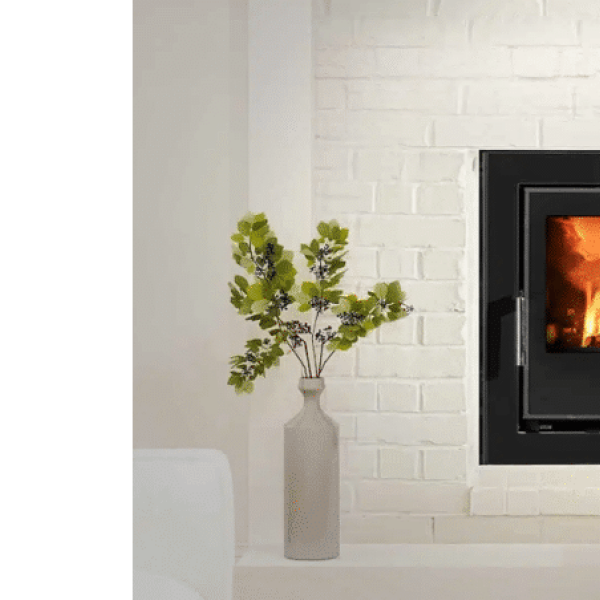
How to Choose a Closed Combustion Fireplace for Your Home
A closed combustion fireplace is often chosen by homeowners who want the warmth and atmosphere of a wood-burning fireplace, with a more controlled heating experience than a traditional open fire. The challenge is knowing which model will suit your room, your layout and the flue route your home allows. At Hydrofire, our consultants guide you through the process so you can invest with confidence, using practical room details rather than guesswork.
This guide explains what to consider before you buy, from room size and kW output to style, flue planning and combustion fireplace installation requirements. It is not a product dump. It is a practical starting point for choosing a long-term home heating solution that suits the way you live.
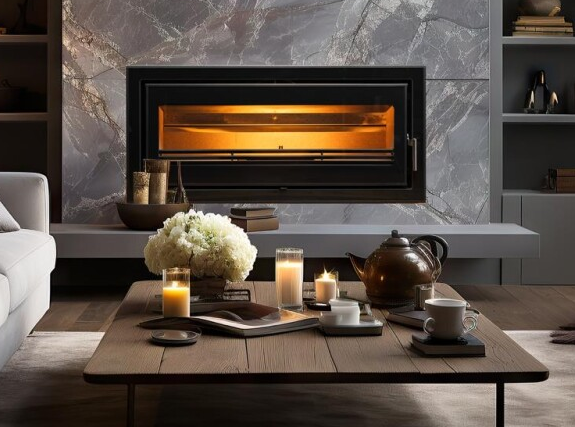
Why homeowners choose closed combustion fireplaces
Closed combustion fireplaces are popular in South African homes because they bring together comfort, visual appeal and controlled wood-burning heat. They create a strong focal point in a living area, while giving you a more contained firebox and a clearer way to manage airflow.
For many families, the fireplace becomes part of the rhythm of winter. It is where people gather after work, where open-plan living areas feel more inviting, and where a home starts to feel warmer in both a practical and emotional sense. The right model can add warmth and visual character when selected and installed correctly.
How a closed fireplace differs from an open fire
An open fireplace exposes the fire directly to the room. A closed combustion fireplace places the fire inside a closed firebox, usually behind a glass door, with airflow controlled through the fireplace design. This changes how the fire burns and how the heat is experienced in the space.
Open fireplaces offer atmosphere, but they are less controlled. Closed models are chosen by many homeowners who want a more practical everyday heating option while still enjoying the glow of real wood. The final result depends on the room, the fireplace output, the fuel used, the flue setup and correct installation.
Match the fireplace to your room size
Choosing a fireplace starts with the space. Room size, ceiling height, insulation and layout all influence the heat output you should be looking at. A compact room with a standard ceiling has very different requirements from a large open-plan area with high volumes and several connected zones.
This is where kW output matters. A fireplace that is too small may not create the heating experience you expect, while an oversized unit can be uncomfortable for the way the room is used. The aim is to match the product to the room requirements, not simply choose the biggest or most striking model on display.
Hydrofire’s fireplace output calculator is a useful starting point for understanding what output range may suit your space. It gives you a more informed basis for discussion, and our consultants can then refine the guidance using your photos, measurements and room details.
Think about how heat moves through the layout
A fireplace does not heat in isolation. Heat movement is affected by walls, passages, double-volume areas, staircases and the orientation of the room. In open-plan living spaces, warm air may move into neighbouring areas, which is why the full layout needs to be considered before choosing a model.
Hydrofire’s team takes a practical view of heating. Concepts such as convection, air movement, insulation and heat loss all matter, but they should be translated into useful advice for your home. That balance between technical knowledge and personal service is important when planning a long-term home heating investment.
Freestanding or built-in: choose the right style
Freestanding fireplaces and built-in fireplaces can both create warmth, comfort and style. The better option depends on the room design, the position of the fireplace, the flue route and the type of feature you want to create.
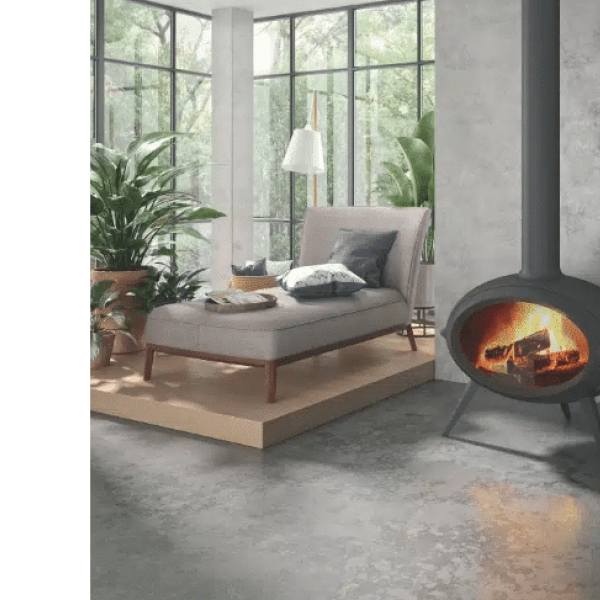
A freestanding fireplace often works well when the fireplace is intended to stand proudly in the room. It can suit a range of interiors, from contemporary homes to more traditional living spaces, provided the output and flue requirements are right for the property.
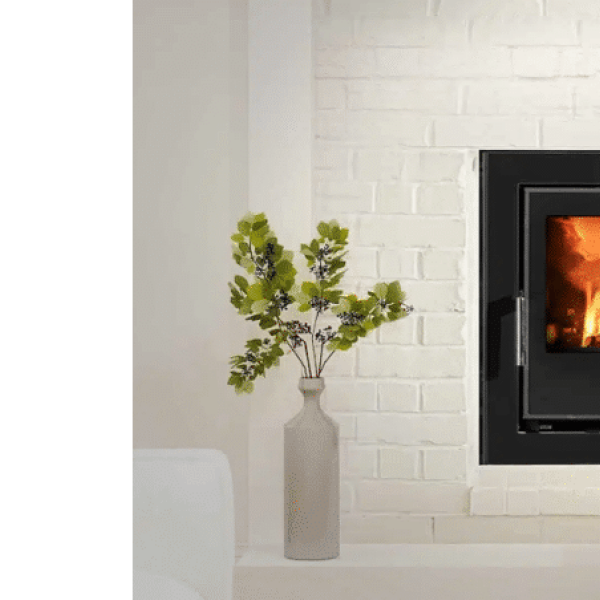
A built in fireplace creates a more integrated architectural feature. It should be planned around the wall structure, surrounding finishes and installation requirements. If you are renovating or building, discuss the fireplace early so the heating product and the design details can work together.
Plan the flue before you commit
Flues are essential to safe and effective fireplace performance. They are not a standard item that suits every fireplace, ceiling or roof in the same way. The correct flue setup depends on the fireplace model, ceiling height, roof type and installation requirements.
Good flue planning considers the route from the fireplace to the roof exit, as well as product compatibility and building conditions. Hydrofire’s flues calculator can give you an idea of what may be required, but final guidance should be confirmed before purchase.
This is one of the most important parts of the decision. A beautiful fireplace still needs the right flue arrangement, correct installation and responsible use to perform as intended.
What to prepare before installation advice
Before discussing combustion fireplace installation, gather a few practical details about your home. Hydrofire can usually guide customers using photos and measurements, including ceiling height, because house visits are not normally done.
Useful details to prepare include:
-
Room measurements, including length, width and ceiling height.
-
Clear photos of the room and proposed fireplace position.
-
Information about the roof, ceiling or any existing chimney.
-
A short description of the layout, especially for open-plan spaces.
-
Your preferred style, such as freestanding or built-in.
These details allow our consultants to have a more useful first conversation with you. They also reveal questions that should be answered before you finalise the fireplace, flue components or installation arrangements.
Is it the same as a smokeless indoor fireplace?
Some customers search for a smokeless indoor fireplace because they want cleaner indoor comfort and less visible smoke in the room. It is important to be precise. No wood-burning fireplace should be described as completely smoke-free in every condition.
A closed combustion model is intended to contain the fire and manage airflow, but the indoor experience still depends on the correct fireplace, a suitable flue setup, dry wood, ventilation, installation and everyday use. If smoke is a concern, raise it early so the product and flue requirements can be considered properly.
How Hydrofire guides your decision
Hydrofire combines premium quality products with personal service and extensive product and industry knowledge. Our experienced engineers and consultants understand that choosing a fireplace is not only about finding a model that looks good. It is about matching the product to your home, your heating needs and the installation requirements involved.
You can explore Hydrofire fireplaces, compare built-in fireplace options and use the fireplace output calculator before enquiring. If you are unsure where to start, our team can work from your room details and guide you towards options worth considering.
That guidance matters because not every fireplace suits every room or home. The right choice should consider comfort, style, flue planning and the practical conditions of the space.
Common questions before choosing
How do I know what size closed combustion fireplace I need?
Start with your room size, ceiling height, insulation and layout. The fireplace output calculator can help you estimate a possible kW range, but final product guidance should be based on the specific room and fireplace model.
Can a closed combustion fireplace work in an open-plan living area?
It can be suitable, depending on the size, layout and heating requirements of the area. Open-plan living spaces need careful planning because heat may move into connected rooms, passages or double-volume spaces.
What should I send Hydrofire before asking for guidance?
Photos, measurements, ceiling height and layout details are usually enough to begin the conversation. If there is an existing chimney or a specific wall where you want the fireplace, include that information too.
Is a closed combustion fireplace completely smokeless indoors?
No wood-burning fireplace should be treated as completely smoke-free in every condition. The fireplace model, flue setup, wood quality, ventilation, installation and user behaviour all influence the indoor experience.
Do I need professional guidance for the flue?
Yes. Flues should be selected and installed with safety, product compatibility and building conditions in mind. The setup depends on the fireplace model, roof type, ceiling height and installation requirements.
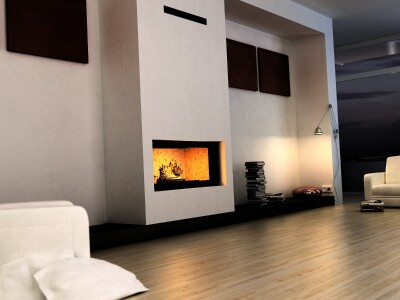
Find your perfect heating solution
If you are planning a closed combustion fireplace, start with the details that shape the decision: your room size, ceiling height, layout and preferred fireplace style. Then use Hydrofire’s fireplace output calculator, explore the fireplace range or send an enquiry so our consultants can guide you through the next step.
You are also welcome to visit a Hydrofire showroom in Cape Town or Johannesburg to view selected fireplace options and speak to the team. With the right product choice, flue planning and professional guidance, you can invest in a home heating solution with warmth, comfort and long-term value in mind.



.jpg "Traditional vs Ultra-Dense Underfloor Heating Systems")
.jpg "Central Heating Systems for Modern South African Homes")
.jpeg "How to Make My Central Heating More Efficient")
.jpg "Do You Need a Thermostat for Underfloor Heating?")