Parasol Buyer’s Guide: Cantilever vs Classic Umbrellas for Patios, Pools & Restaurants
Outdoor comfort is essential in South Africa, where long sunny days and strong UV exposure make shade a necessity. Whether for private gardens, poolside lounges, or bustling restaurant patios, outdoor parasol umbrellas provide both functional protection and aesthetic appeal. However, not all umbrellas are made to handle the sun, wind, and coastal air conditions found in Cape Town.
This guide from Hydrofire helps you understand the differences between parasol types, materials, and base systems — so you can confidently choose the right patio parasol or cantilever umbrella that lasts season after season.
Understanding Outdoor Parasol Umbrellas
What Makes a Quality Parasol
A well-designed outdoor parasol umbrella combines durable construction with weather-resistant materials. The frame should be made from corrosion-proof aluminium or treated steel, while the canopy fabric must resist UV fading and moisture. High-quality parasols include vented tops that allow airflow, reducing wind pressure and improving stability.
Hydrofire’s collection includes a variety of weatherproof parasols built to perform in South Africa’s challenging climate, balancing form and function for residential and commercial spaces.
Components — Frames, Fabrics, and Bases
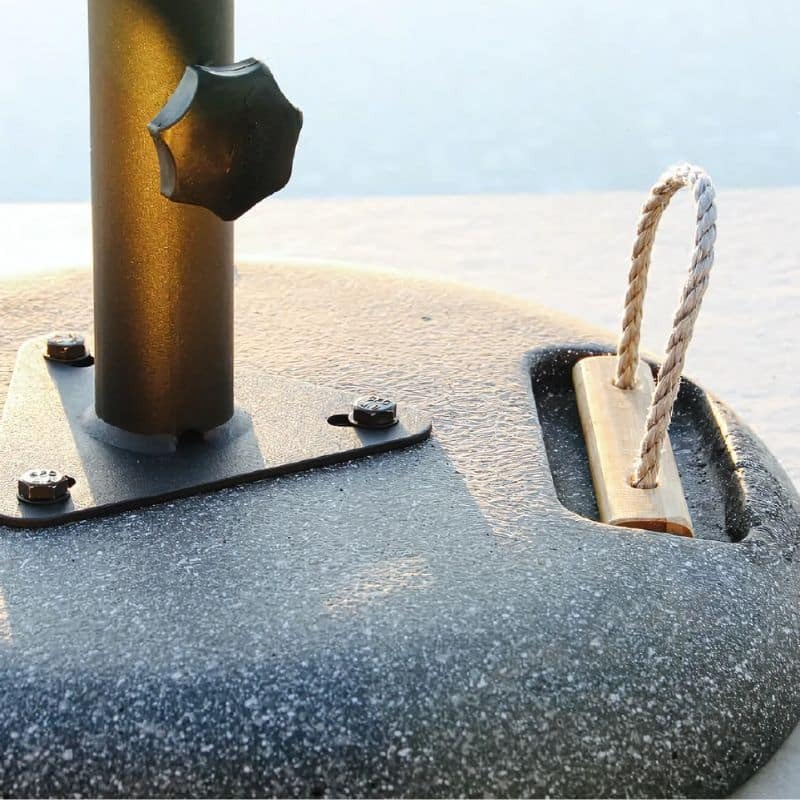
Every parasol is made up of three essential parts: the frame, the canopy, and the base. Aluminium and steel frames provide strength without unnecessary weight. Canopies made from acrylic or polyester are preferred for UV protection and quick drying. Bases are equally important, anchoring the umbrella securely; heavier bases are recommended for larger models or wind-prone areas.
Types of Outdoor Parasol Umbrellas
Classic Centre-Pole Umbrellas
The most familiar design, centre-pole umbrellas, feature a central post supporting a circular or square canopy. They are ideal for small patios, decks, and garden tables with umbrella holes. Available in various sizes and colours, they offer simple operation and timeless appeal. Centre-pole parasols work best in moderate wind conditions and can be easily repositioned for changing sunlight angles.
Cantilever Parasols for Flexible Shade
Cantilever parasols are designed with an offset base, allowing the canopy to hang freely over the shaded area without a central pole obstructing space. This makes them perfect for poolside settings, lounge areas, and dining spaces where flexibility is key. They typically rotate 360 degrees and tilt at multiple angles, offering superior control over shade direction throughout the day.
Hydrofire’s cantilever models are crafted from aluminium with heavy-duty joints and reinforced arms for maximum durability.
Square and Large Parasols for Commercial Use
For restaurants, hotels, and expansive patios, large parasols or square parasols are ideal. These provide broad coverage for multiple tables or lounge areas, often featuring reinforced ribs and extended canopies. Commercial-grade parasols from Hydrofire are designed to handle frequent use and stronger winds, making them reliable investments for hospitality spaces in Cape Town.
Choosing the Right Parasol for Your Space
Residential Patios and Balconies
For small patios or apartment balconies, compact patio parasols between 2m and 2.5m in diameter work best. Lightweight aluminium frames make them easy to move, while adjustable canopies ensure versatile shading throughout the day. Pair them with weather-resistant base plates to enhance stability without taking up too much space.
Poolside and Garden Areas
Poolside parasols must handle constant sun exposure and moisture. Choose cantilever parasols with UV-resistant canopies and corrosion-proof frames. Weatherproof parasols with tilt functions offer adjustable shade for lounging areas, while large canopies provide full coverage without obstructing movement around the pool.
Restaurants and Outdoor Venues
Commercial outdoor spaces require large parasols that combine visual appeal with functionality. Square parasols offer better coverage for aligned seating arrangements, while modular bases allow flexibility for changing layouts. For areas with strong wind exposure, opt for heavy-duty aluminium parasols with reinforced ribs and vented tops for improved airflow.
Understanding Sizes, Bases, and Wind Ratings
Parasol Size Chart
Choosing the correct size ensures effective shading without overwhelming the space.
● Small balconies or bistro sets: 2.0m – 2.5m
● Medium patios or 4-seat dining tables: 2.7m – 3.0m
● Large patios or poolsides: 3.5m – 4.0m
● Commercial outdoor spaces: 4.0m and above
Larger parasols should always be paired with heavy, stable bases for safety.
Base Weights and Materials
The base anchors the parasol and prevents tipping during wind gusts. For centre-pole umbrellas, stone or concrete-filled bases provide excellent stability. Cantilever parasols require cross-bases weighted with water or sand-filled blocks, often ranging from 60kg to 120kg depending on canopy size. Aluminium parasols paired with powder-coated bases resist corrosion and ensure longevity.
Wind Resistance and Stability
All parasols have wind ratings that determine their resilience. Lightweight models are ideal for mild conditions, while heavy-duty options with vented tops withstand moderate gusts. During strong winds, always close and secure the umbrella to prevent structural damage. Hydrofire recommends weatherproof parasol engineered with robust frames and lockable joints for Cape Town’s coastal breeze.
Weatherproofing and Maintenance Tips
Protecting from Sun and Rain
Even the best parasols need occasional maintenance. When not in use, close and cover the umbrella to prevent UV fading and water damage. Fabrics treated with water-repellent coatings resist light rain, but prolonged moisture exposure should be avoided. For coastal areas, rinse metal frames periodically to remove salt deposits.
Cleaning and Storing Parasols Properly
Regular cleaning helps extend the lifespan of your parasol. Use mild soap and warm water on canopies, and a soft cloth for frames. Avoid harsh chemicals or pressure washers. Store parasols indoors during winter or long periods of disuse. For daily protection, Hydrofire offers durable covers designed to fit various parasol sizes.
Frequently Asked Questions About Outdoor Parasol Umbrellas
What is the difference between cantilever and centre-pole parasols?
Centre-pole parasols have a central pole supporting the canopy, ideal for compact spaces and dining tables. Cantilever parasols, on the other hand, have an offset base that allows unobstructed coverage, making them perfect for lounge areas and poolsides. Cantilever designs also offer adjustable angles and rotation for dynamic sun protection.
What size parasol do I need for my patio?
For small patios, a 2m–2.5m canopy is usually sufficient. Medium spaces benefit from 3m umbrellas, while larger patios or commercial areas require 3.5m or more. The parasol should extend at least 50cm beyond your seating area for optimal shade coverage.
Are outdoor parasol umbrellas waterproof?
Most outdoor parasol umbrellas are water-resistant, not fully waterproof. Weatherproof fabrics like acrylic or coated polyester repel light rain but should not be left open in heavy downpours. To protect the material, close and cover the parasol when rain is expected or during overnight moisture.
How do I secure my parasol against wind?
Use a properly weighted base according to the umbrella size and design. Cantilever models require heavier bases or ground anchors, while smaller patio umbrellas may need around 25–40kg. Always close parasols during high winds to prevent tipping or damage.
How do I clean my outdoor parasol umbrella?
Remove loose dirt with a soft brush, then wash the canopy with mild soap and water. Rinse thoroughly and allow it to air dry before closing. For metal or aluminium frames, wipe with a damp cloth and apply a protective spray if desired. Regular cleaning prevents fading and keeps the parasol looking new.
The Final Word on Outdoor Parasol Umbrellas in Cape Town
Choosing the right outdoor parasol umbrella can transform any patio, pool, or restaurant setting into a comfortable and inviting outdoor space. From classic patio parasols to cantilever umbrellas and large square models for commercial use, Hydrofire offers a carefully selected range of weather-resistant designs suited to Cape Town’s sun, wind, and coastal conditions. The collection includes trusted parasol brands such as Tradewinds and Cape Umbrellas, both recognised for their durability, quality craftsmanship, and performance in demanding outdoor environments.
By understanding canopy sizes, base weights, and wind ratings, you can confidently choose a shade solution that suits both your space and aesthetic. Built for lasting performance and everyday use, Hydrofire’s outdoor parasol umbrellas combine reliable materials with considered design — ensuring year-round comfort under the South African sun.

.jpg "Traditional vs Ultra-Dense Underfloor Heating Systems")
.jpg "Central Heating Systems for Modern South African Homes")
.jpeg "How to Make My Central Heating More Efficient")
.jpg "Do You Need a Thermostat for Underfloor Heating?")