Pellet vs Wood vs Gas Fireplaces and A Practical Comparison for Winter
Choosing the right fireplace can change how your home feels in winter. When comparing a pellet fireplace vs wood fireplace or even a gas fireplace vs wood fireplace, most homeowners are not just thinking about heat. You’re also thinking about running costs, ease of use, and how much effort it takes to keep everything working well.
This guide breaks it down in practical terms so you can decide what fits your home and lifestyle.
What “Convenience” Really Means in Fireplace Choice
Convenience is often the deciding factor when comparing fireplace types, but it means different things depending on how you live.
With a traditional wood fireplace, convenience is tied to preparation. You need to source firewood, store it properly, and manually light and maintain the fire. It’s hands-on and suits people who enjoy the process.
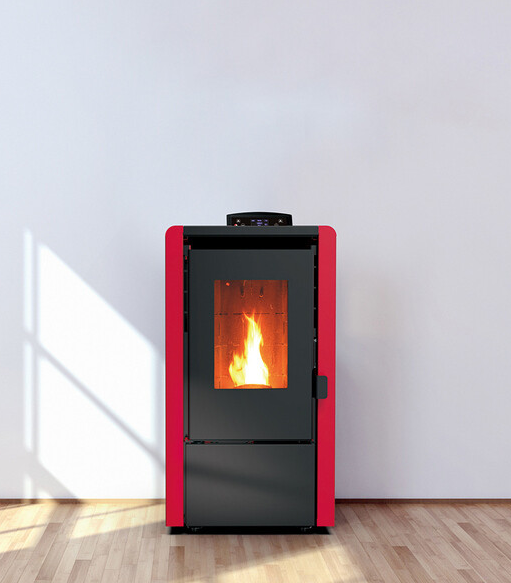
Pellet fireplaces offer a more controlled experience. You load pellets into a hopper, and the system feeds fuel automatically. Many models allow you to adjust heat levels with minimal effort, which makes day-to-day use simpler.
Gas fireplaces are the most straightforward. With a switch or remote, you get instant heat without fuel handling. There’s no need to build or manage a fire, which appeals to homeowners who want a quick, clean solution.
When deciding between a pellet fireplace vs wood fireplace or a gas fireplace vs wood fireplace, convenience often comes down to how involved you want to be.
Heat Consistency and Control
Heat output is not just about warmth, but also how steady and controllable that warmth is.
Wood fireplaces tend to produce fluctuating heat. Once the fire is going, it can be strong, but it requires regular attention to maintain. If you don’t add wood at the right time, the temperature drops.
Pellet fireplaces are designed for consistency. Because pellets are fed automatically, the heat output remains stable over time. Many units allow you to set a temperature, making them closer to central heating in terms of control.
Gas fireplaces offer the highest level of control. You can adjust the flame and heat output instantly. This makes them ideal for maintaining a steady indoor temperature without constant monitoring.
If consistent heat is a priority, pellet and gas options usually outperform traditional wood setups.
Fuel Storage and Availability
Fuel is a key factor when comparing a pellet fireplace vs wood fireplace or evaluating a gas fireplace vs wood fireplace.
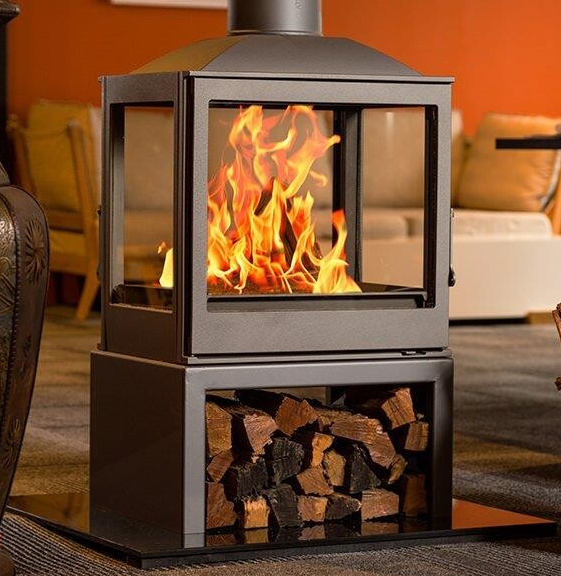
Wood requires space. Logs must be stored in a dry area, often in bulk, especially if you rely on it throughout winter. Availability can vary depending on your location and supplier.
Pellets are more compact and easier to store. They come in bags and take up less space than logs. However, you need a reliable supplier to ensure consistent quality and availability.
Gas eliminates storage concerns entirely. Whether connected to a fixed supply or using bottled gas, you don’t need to manage bulk fuel at home.
Each option has its own practical considerations, but storage space and access to fuel can quickly influence your decision.
Cleaning and Servicing Realities
Maintenance is often underestimated until you’ve lived with a fireplace for a full season.
Wood fireplaces produce ash and soot, which means regular cleaning is part of ownership. Chimneys and flues need periodic inspection to keep everything safe and efficient.
Pellet fireplaces are cleaner than wood, but they still require routine care. Ash buildup is lighter, and the system components need occasional servicing to keep the feeding mechanism working properly.
Gas fireplaces are the lowest maintenance option. There’s no ash or residue to manage, but they still need professional servicing to ensure safe operation and proper ventilation.
Understanding these differences helps you avoid surprises once winter is in full swing.
Best Match by Household Type
The right fireplace often depends on how your household operates.
If you enjoy a traditional experience and don’t mind the effort, a wood fireplace can be a great fit. It suits homes where time and space for fuel storage are not an issue.
Pellet fireplaces work well for households that want a balance between hands-on heating and modern convenience. They offer control without removing the feel of a real flame.
Gas fireplaces are ideal for busy households or modern homes where ease of use is a priority. They’re also a strong choice for people who want consistent heat with minimal involvement.
When comparing a pellet fireplace vs wood fireplace or a gas fireplace vs wood fireplace, think about your daily routine as much as the technical features.
Buyer Checklist for Choosing the Right Fireplace
Before making a decision, it helps to think through a few key factors.
Consider how much time you want to spend managing your fireplace. Think about your available storage space for fuel and how accessible that fuel is in your area. Look at long-term running costs, not just installation.
You should also think about installation requirements, including flues and ventilation. Different fireplace types have different setup needs, which can affect both cost and practicality.
If you’re exploring specific options, it’s worth reviewing pellet fireplaces, gas fireplaces, and built-in or freestanding wood fireplaces, along with the flue systems that support them.
Frequently Asked Questions about Pellet Fireplace vs Wood Fireplace
Which is cheaper to run: a pellet fireplace vs wood fireplace?
Running costs depend on fuel prices and usage, but pellet fireplaces often offer more predictable costs due to controlled fuel consumption. Wood can be cheaper if you have access to affordable or self-sourced logs, but inefficiencies in burning can increase overall usage. Over time, pellets tend to provide a more consistent cost profile.
Is a gas fireplace vs wood fireplace better for convenience?
Gas fireplaces are generally more convenient because they require no fuel handling, lighting, or ongoing adjustment. Wood fireplaces need regular attention, from starting the fire to maintaining it. For homeowners prioritising ease of use, gas is typically the simpler option.
Do pellet fireplaces require a lot of maintenance?
Pellet fireplaces require moderate maintenance. While they produce less ash than wood, you still need to clean the unit and service the internal components. Regular upkeep ensures efficient operation and extends the lifespan of the system.
Which fireplace type provides the most consistent heat?
Pellet and gas fireplaces provide more consistent heat compared to wood. Pellet systems regulate fuel automatically, while gas allows instant control. Wood fireplaces can produce strong heat but tend to fluctuate without regular input.
What should I consider before choosing between pellet, wood, and gas fireplaces?
You should consider running costs, fuel availability, storage space, maintenance requirements, and how much control you want over heat output. Each type offers different advantages, so the best choice depends on your lifestyle and home setup.
Choose the Right Pellet Fireplace vs Wood Fireplace with Hydrofire
Finding the right balance between performance and practicality is key when comparing a pellet fireplace vs wood fireplace or even a gas fireplace vs wood fireplace.
Take the time to explore your options and understand what works best for your space. Whether you’re looking at pellet fireplaces, gas fireplaces, or built-in and freestanding wood options with the right flue system, the right choice will make winter far more comfortable.
If you’re ready to take the next step, explore the available fireplace solutions and find the setup that fits your home and how you live.



.jpg "Traditional vs Ultra-Dense Underfloor Heating Systems")
.jpg "Central Heating Systems for Modern South African Homes")
.jpeg "How to Make My Central Heating More Efficient")
.jpg "Do You Need a Thermostat for Underfloor Heating?")