Radiator Heater vs Underfloor Heating: Which Hydronic Option Fits Your Home?
Hydronic heating is one of the most efficient and comfortable ways to warm a home.
Unlike forced-air systems that push heated air through ducts, hydronic heating circulates heated water through a closed-loop system. The warmth is radiant, steady, and consistent. It does not dry the air excessively, it does not create drafts, and it distributes heat in a way that feels natural.
For homeowners exploring hydronic heating, the main decision often comes down to two options: a radiator heater system or underfloor heating.
Both operate on the same principle. Both can be powered by boilers or heat pumps. Both offer high efficiency when designed correctly. But their applications, installation requirements, and long-term flexibility differ significantly.
Hydrofire works with South African homeowners designing new builds, renovating existing properties, or upgrading outdated heating systems. One of the most common questions is simple:
Which hydronic option fits my home?
This guide explains how hydronic radiators work, when radiator heaters make more sense, when underfloor heating becomes the stronger option, how bathrooms and towel rails fit into the picture, what planning basics matter, and which common mistakes to avoid.
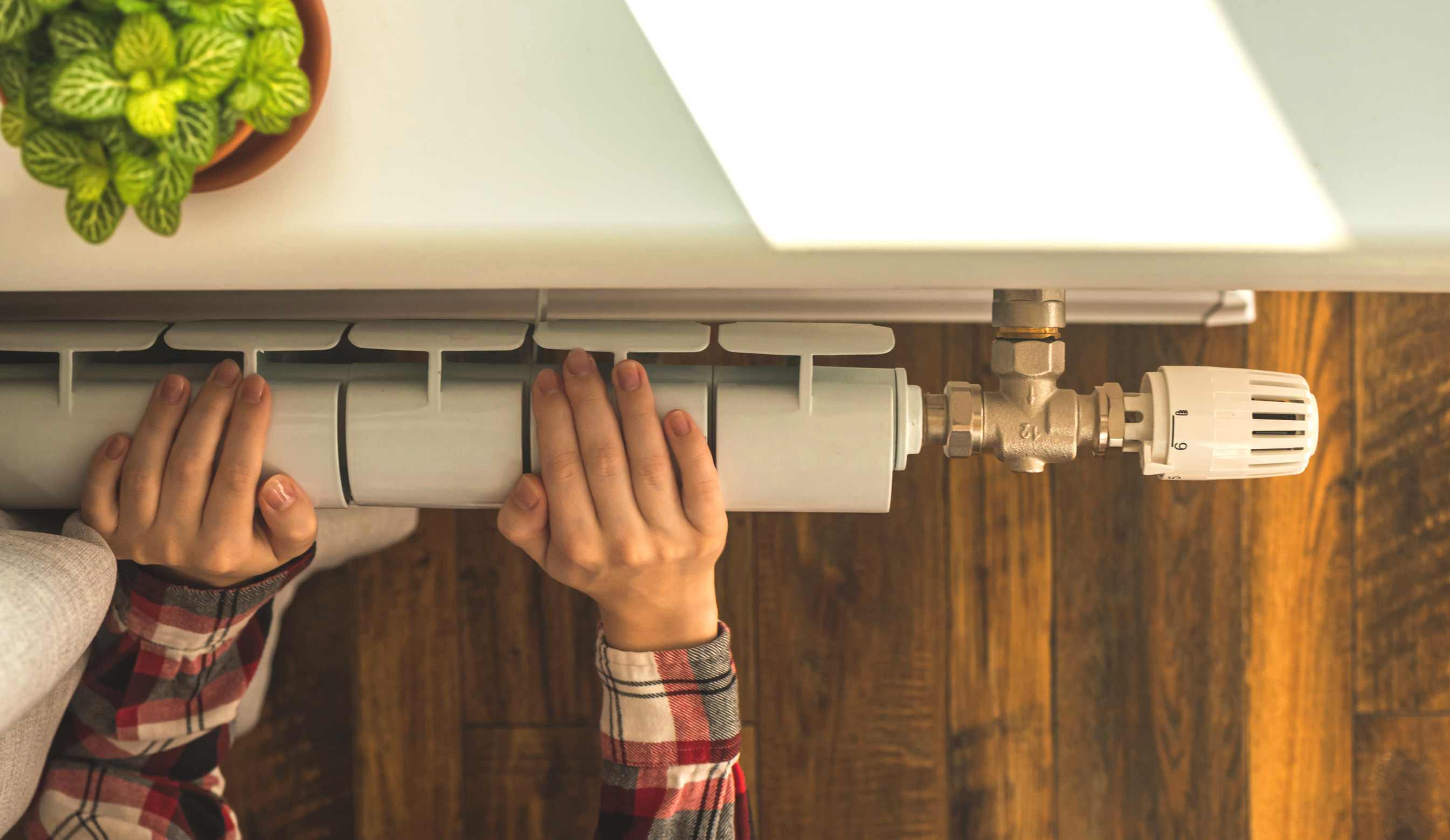
Hydrofire Explains How Hydronic Radiator Heaters Work
At the core of both systems is the same principle: heated water moves through a network of pipes and releases warmth into the space.
Hydrofire on the Basics of Hydronic Heating
Hydronic heating systems use a central heat source—typically a boiler or heat pump—to warm water. That heated water circulates through pipes and into heat emitters, which release warmth into rooms.
In a radiator heater system, those emitters are wall-mounted radiators or towel rails. In underfloor heating, the emitters are pipes embedded beneath the floor surface.
The key difference lies in how the heat is delivered into the room.
Hydrofire on How a Radiator Heater Emits Heat
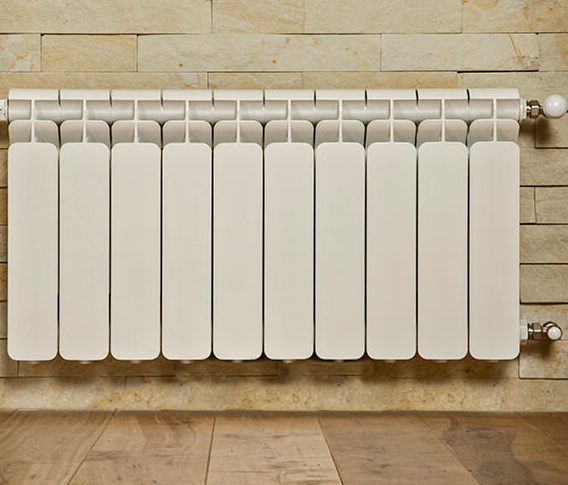
A radiator heater releases warmth through a combination of convection and radiation.
As hot water flows through the radiator, the metal body warms up. Air near the radiator heats and rises, creating natural circulation within the room. At the same time, radiant warmth spreads outward from the unit.
Modern hydronic radiators are designed to operate at lower water temperatures than older systems, improving efficiency and compatibility with energy-saving heat sources.
Hydrofire’s Radiators & Towel Rails category includes various designs suited to different room sizes and layout requirements.
Hydrofire Explains When Radiator Heaters Win (Retrofits and Room-by-Room Control)
Radiator heater systems are particularly well suited to retrofit applications.
Hydrofire on Retrofitting Existing Homes
In existing homes, floors are already finished. Installing underfloor heating often requires lifting tiles or flooring, adding pipe layers, and potentially increasing floor height.
Radiator heaters, by contrast, can be installed with minimal structural disruption. Pipes can run through walls or along concealed channels. Rooms can be converted individually without renovating the entire house.
For homeowners upgrading from electric heaters or fireplaces, radiator heater systems offer a practical hydronic entry point.
Hydrofire on Room-by-Room Flexibility
Radiator heater systems also allow greater room-by-room control.
Each radiator can be fitted with thermostatic valves, allowing different spaces to be set at different temperatures. Bedrooms can remain cooler, while living areas stay warmer.
Hydrofire often recommends radiator heater systems for homes where occupancy patterns vary throughout the day.
This room-by-room flexibility supports efficiency and comfort.
Hydrofire Explains When Underfloor Heating Wins (New Builds and Whole-Home Systems)
Underfloor heating operates differently.
Instead of wall-mounted units, pipes are laid beneath the floor surface. Heat rises gently from the ground upward, creating an evenly warmed environment.
Hydrofire on Underfloor Heating in New Builds
Underfloor heating is ideal during construction or major renovation. Installing pipe loops beneath screed or floor panels is significantly easier before final flooring is laid.
In new builds, the system can be designed into the slab from the outset, allowing:
-
Even heat distribution
-
No visible heat emitters
-
Unobstructed wall space
-
Clean architectural lines
Hydrofire’s Underfloor Heating page outlines system configurations suited to residential builds.
Hydrofire on Whole-Home Comfort
Underfloor heating provides consistent warmth across large areas.
Because the entire floor surface acts as a low-temperature heat emitter, the system operates efficiently at lower water temperatures. This can improve compatibility with modern heat pumps.
In open-plan living areas, underfloor heating distributes warmth evenly without relying on airflow patterns.
For homeowners prioritising invisible heating and uniform comfort, underfloor heating can be highly effective.
Hydrofire on Bathrooms and Towel Rails in Hydronic Systems
Bathrooms require special consideration.
Hydrofire on Radiators & Towel Rails in Bathrooms
Hydronic towel rails serve a dual purpose: space heating and towel drying.
Hydrofire’s Radiators & Towel Rails category includes units designed specifically for bathroom installations.
In homes using underfloor heating throughout, towel rails often supplement the system. Underfloor heating warms the space, while towel rails provide additional heat concentration and practical drying function.
Hydrofire on Combining Systems
It is common for hydronic systems to combine both approaches.
Underfloor heating may serve main living areas, while radiator heaters operate in bedrooms. Towel rails may be installed in bathrooms regardless of primary heating type.
Hydrofire encourages homeowners to view hydronic heating as modular rather than mutually exclusive.
Hydrofire Explains Planning Basics: Pipes, Zones and Controls
Successful hydronic heating depends on planning.
Hydrofire on Pipe Layout and Flow
Pipe sizing and layout determine efficiency.
In radiator heater systems, pipe runs must ensure balanced flow between units. In underfloor heating, pipe loops must be spaced correctly to avoid hot and cold patches.
Hydrofire emphasises professional design and hydraulic balancing.
Hydrofire on Zoning and Temperature Control
Zoning allows different areas to operate independently.
A properly zoned system improves efficiency and prevents overheating unused rooms.
Room-by-room control is easier to implement with radiator heater systems but is also achievable in underfloor heating through manifold design and zone valves.
Hydrofire advises planning zones according to lifestyle patterns.
Hydrofire on Boiler and Heat Source Compatibility
Hydronic heating requires a compatible heat source.
Modern systems often use:
-
Gas boilers
-
Electric boilers
-
Air-source heat pumps
Underfloor heating performs particularly well with low-temperature heat pumps due to its large surface area.
Radiator heaters may require slightly higher water temperatures, depending on design.
Hydrofire helps homeowners match heat sources to system layout.
Hydrofire on Common Mistakes in Hydronic Heating Design
Hydronic systems are efficient—but only when designed correctly.
Hydrofire on Oversizing or Undersizing Radiators
Incorrect radiator sizing can lead to rooms that never fully warm or systems that cycle inefficiently.
Hydrofire recommends proper heat-loss calculations before installation.
Hydrofire on Ignoring Floor Insulation for Underfloor Heating
Underfloor heating without proper insulation results in heat loss downward into the slab rather than upward into the room.
Insulation planning is essential for system performance.
Hydrofire on Poor Zoning Decisions
Failing to separate living and sleeping areas into zones can reduce comfort and increase energy consumption.
Room-by-room design thinking prevents this mistake.
Hydrofire on Underestimating Warm-Up Time
Underfloor heating responds more slowly than radiator heater systems.
Homeowners expecting instant heat adjustment may prefer radiator-based systems in certain rooms.
Understanding response time prevents dissatisfaction.
Hydrofire on Efficiency and Long-Term Performance
Hydronic heating is generally more efficient than direct electric resistance heating.
Water carries heat more effectively than air, allowing systems to operate at lower energy consumption levels.
Underfloor heating systems operating at lower temperatures can pair effectively with renewable heat sources.
Radiator heaters offer quicker response and easier incremental installation.
Hydrofire advises homeowners to weigh efficiency not only by fuel type, but by system design and usage pattern.
Radiator Heater vs Underfloor Heating Requires Layout-Based Thinking
There is no universal winner.
Radiator heater systems offer flexibility, retrofit convenience, and faster response times.
Underfloor heating offers invisible comfort, uniform warmth, and strong compatibility with modern low-temperature heat sources.
Bathrooms often benefit from radiators & towel rails regardless of primary heating type.
Hydronic heating works best when planned zone by zone.
Hydrofire encourages homeowners to begin with their floor plan.
Describe your floor plan—then plan zones room-by-room.
From there, matching the right hydronic heating approach becomes clear.



.jpg "Traditional vs Ultra-Dense Underfloor Heating Systems")
.jpg "Central Heating Systems for Modern South African Homes")
.jpeg "How to Make My Central Heating More Efficient")
.jpg "Do You Need a Thermostat for Underfloor Heating?")