The Part of Your Fireplace You Rarely See Is the Part That Matters Most
Why Your Fireplace Needs a CE Certified Flue for Long-Term Safety and Reliable Performance
A fireplace changes the atmosphere of a home in a way very few features can. During winter, it naturally becomes the centre of the room — drawing people together, creating warmth, and creating the kind of comfort that changes how a living space feels during colder evenings.
Most homeowners focus on the visible parts of the installation. The fireplace design. The placement within the room. The style and finish that complement the rest of the home. Far less attention is usually given to the system hidden above the ceiling.
At Hydrofire, the flue system is treated as one of the most important parts of the entire installation because understanding why your fireplace needs a CE certified flue is not simply about technical compliance. It directly affects safety, performance, heating efficiency, and the long-term reliability of the system itself.
A fireplace may create the warmth people experience every day, but the flue is what allows the entire system to operate properly behind the scenes.
A Fireplace Flue Influences Far More Than Ventilation
Many people assume the purpose of a flue is simply to carry smoke out of the house. In reality, the flue plays a major role in how the fireplace burns, how heat is managed, and how safely combustion gases move through the system during operation.
Balanced Airflow Is Essential for Efficient Combustion
A fireplace depends on stable airflow to burn cleanly and consistently. The flue helps regulate this balance by removing combustion gases while maintaining the airflow required for efficient operation.
When a flue system is poorly designed or manufactured using inferior materials, the fireplace itself often begins to show signs of instability. Smoke may linger inside the room, fires may burn unevenly, and heat output can become inconsistent during longer periods of use.
Hydrofire approaches fireplace installations as complete systems rather than isolated products. This means every component, including the flue, is selected with long-term performance and safety in mind.
European Engineering Plays a Major Role in System Reliability
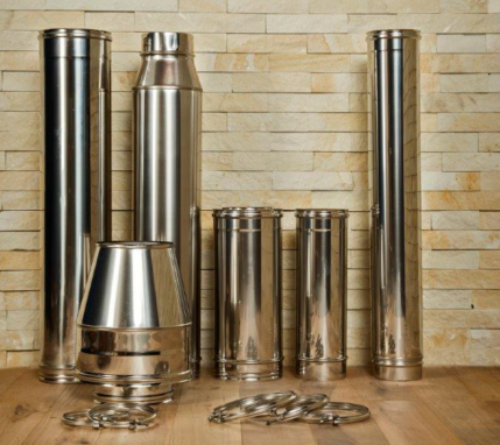
Hydrofire sources its flue systems from Atritube HVAC, a leading European chimney system manufacturer in Greece. These systems are designed to meet strict European certification standards while supporting long-term durability under demanding operating conditions.
By working with internationally recognised flue technology, Hydrofire ensures that fireplace systems are supported by materials engineered specifically for high-temperature residential heating environments.
The result is cleaner combustion, more stable heat management, and improved long-term system reliability throughout years of regular winter use.
Fireplace Safety South Africa Discussions Often Overlook the Flue System
Fireplace safety South Africa conversations frequently focus on the visible fireplace unit itself, but many of the most serious long-term risks actually develop inside the hidden ventilation system.
Poor-Quality Flues Can Create Structural Heat Risks
One of the biggest concerns linked to inferior flue systems is uncontrolled heat transfer. Lower-grade materials may fail to contain or direct heat properly, allowing surrounding roof structures or wall cavities to absorb excessive temperatures over time.
These problems are rarely immediate. In many cases, damage develops gradually and remains hidden until structural repairs become necessary.
Hydrofire has seen how poor flue choices can affect long-term fireplace safety, which is why certified systems are treated as a standard part of every installation rather than an optional upgrade.
Ventilation Problems Affect Both Safety and Comfort
A poorly functioning flue does more than reduce fireplace efficiency. It can also interfere with how effectively smoke and combustion gases are removed from the home.
If ventilation becomes unstable, harmful gases may remain inside living spaces longer than intended. This affects not only the performance of the fireplace, but the overall safety of the indoor environment as well.
Proper airflow management remains one of the key reasons why certified flue systems are essential for reliable fireplace operation.
Why CE Certification Matters in Everyday Fireplace Use
For many homeowners, certification labels may seem like technical details with little practical meaning. In reality, certification directly influences how safely and reliably a fireplace system performs under daily operating conditions.
Certified Systems Are Built for High-Temperature Conditions
A CE certified flue has undergone testing to confirm that it can withstand repeated exposure to high heat, thermal expansion, combustion gases, and long-term operating stress.
Fireplaces create constant cycles of heating and cooling during use. As temperatures rise and fall, materials repeatedly expand and contract over time. Systems not engineered for these conditions may weaken, crack, or lose stability after extended exposure.
Certified systems are specifically designed to maintain structural integrity while continuing to operate safely through years of regular use.
Long-Term Performance Depends on Material Quality
The difference between certified and non-certified systems often becomes visible only after prolonged operation. While certain components may appear similar visually, their long-term durability under real fireplace conditions can vary significantly.
Hydrofire specifies CE certified flue systems because the company believes homeowners should have confidence that their fireplace installation is designed for reliability rather than short-term performance alone.
Installation Quality Shapes the Entire Fireplace System
Even the highest-quality flue system can underperform if installation is rushed or incorrectly planned. Fireplace performance depends heavily on how the entire system interacts with the structure and airflow conditions of the home itself.
Every Property Requires a Tailored Installation Approach
Factors such as roof design, insulation, ventilation pathways, room layout, and ceiling height all influence how effectively a fireplace system will perform over time.
Hydrofire approaches installation with careful attention given to airflow management, heat movement, structural clearances, and ventilation planning throughout the property. These details may remain hidden once the installation is complete, but they strongly influence the long-term safety and reliability of the system.
A Fireplace Should Operate as Part of the Home’s Architecture
Modern fireplaces are increasingly integrated into the overall design identity of the home rather than treated as standalone appliances. This means the fireplace, flue system, ventilation, and surrounding structure all need to function together cohesively.
When properly designed and installed, the result is a fireplace system that delivers reliable warmth while fitting naturally into the atmosphere and architectural flow of the living space.
The Right Flue System Protects More Than the Fireplace Itself
A fireplace is expected to provide comfort and reliability for many years. Choosing the correct flue system helps protect not only the appliance, but also the structural integrity and safety of the home surrounding it.
Lower-cost shortcuts may appear attractive during installation, but poorly specified systems often create far greater long-term risks through ventilation problems, structural heat damage, or reduced operational reliability.
Understanding why your fireplace needs a CE certified flue ultimately comes down to recognising that the unseen parts of the installation matter just as much as the visible ones.
Hydrofire continues approaching fireplace installations with this philosophy in mind, ensuring that every system is built around certified components, proper engineering, and trusted European flue technology designed to support safe and reliable long-term performance in South African homes.


.jpg "Traditional vs Ultra-Dense Underfloor Heating Systems")
.jpg "Central Heating Systems for Modern South African Homes")
.jpeg "How to Make My Central Heating More Efficient")
.jpg "Do You Need a Thermostat for Underfloor Heating?")