Wall-Mounted Fireplaces with Pros, Cons, and Placement Tips
A wall-mounted fireplace can change how a room looks and feels, especially in modern homes where space and layout matter. Hydrofire offers a range of wall-mounted options that combine clean design with practical heating, but this style is not always the right fit for every space.
If you are considering this option, it helps to understand the pros, the limitations, and how placement affects both safety and performance. This guide walks you through what to expect so you can decide if a wall-mounted unit fits your home.
What Hydrofire Wall-Mounted Fireplaces Are Best For
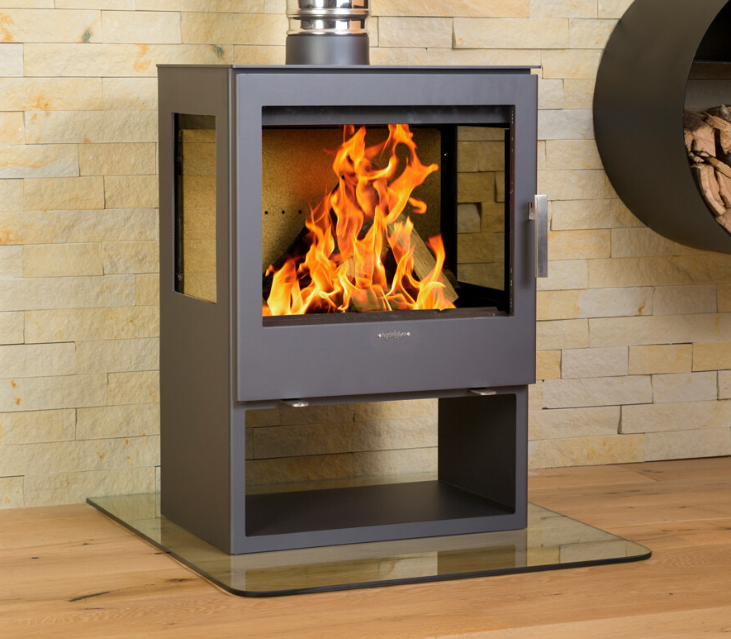
Wall-mounted fireplaces work best in spaces where floor area is limited or where a streamlined look is preferred. They are often chosen for apartments, smaller living rooms, or areas where a built-in installation is not practical.
They also suit modern interiors where clean lines and minimal clutter are part of the design. Because the unit is elevated, it becomes a visual feature without taking up usable space below.
Another advantage is flexibility in modern fireplace placement. You can position the unit at a comfortable viewing height, making it both functional and visually balanced within the room.
If you want to explore available options, you can review Hydrofire’s Wall Mounted Fireplaces range to see what fits your space.
Heat Expectations vs Traditional Fireplace Options
Hydrofire wall-mounted fireplaces are often more about controlled, localised heat than whole-room heating. Compared to built-in or freestanding fireplaces, they typically produce less overall heat output.
This does not mean they are ineffective. They work well for creating a comfortable heat zone in the immediate area, especially in smaller rooms or as a secondary heat source.
If your goal is to heat a large open-plan space or achieve strong room-to-room warmth, a wall-mounted unit may not be the best standalone solution. In those cases, a higher-output built-in fireplace might be more suitable.
To better understand heating requirements, using Hydrofire’s Fireplace Output Calculator can help match the right type of fireplace to your space.
Safe Placement Basics for Hydrofire Wall-Mounted Fireplaces
Safety is one of the most important factors when installing a wall-mounted fireplace. Proper clearances must always be maintained to prevent overheating of surrounding surfaces.
The wall itself needs to be suitable for installation. Some units require heat-resistant materials or specific mounting conditions, depending on the model and fuel type.
Height also matters. Installing the fireplace too high can reduce heat effectiveness, while placing it too low may affect safety and comfort. The goal is to find a balance where the unit is both safe and functional.
It is also important to keep furniture and décor at a safe distance to allow proper airflow and avoid heat buildup.
Styling Around a Hydrofire Wall-Mounted Fireplace
A wall-mounted fireplace naturally becomes a focal point, so how you style around it matters.
Keeping the surrounding area simple often works best. Clean wall finishes, neutral tones, and minimal décor allow the fireplace to stand out without overwhelming the space.
You can also use shelving, artwork, or textured finishes to frame the unit, but it is important not to overcrowd the wall. Too many elements can take away from the clean look that wall-mounted fireplaces are known for.
Modern fireplace placement should always consider both aesthetics and function. The unit should feel integrated into the room rather than added as an afterthought.
Hydrofire Fireplace Accessories can also help enhance both the look and usability of your setup.
Maintenance Access and Practical Considerations
One area that is often overlooked is maintenance access. Even though Hydrofire wall-mounted fireplaces are generally low maintenance, you still need enough space to service the unit when required.
Make sure the installation allows easy access to controls, vents, and any components that may need cleaning or inspection. Tight or awkward placements can make simple maintenance tasks more difficult over time.
It is also worth considering how the unit will be used daily. Easy access to controls and a clear view of the flame all contribute to a better overall experience.
Planning ahead ensures the fireplace remains practical, not just visually appealing.
Quick Checklist Before You Commit to a Hydrofire Wall-Mounted Fireplace
Before choosing a wall-mounted fireplace, it helps to think through a few key factors.
Start by confirming your heating expectations. If you need strong heat output, make sure the unit can deliver what your space requires.
Check that your wall structure and materials are suitable for installation. Not all walls are designed to handle heat or mounting requirements.
Consider the surrounding layout, including furniture placement and airflow. This affects both safety and comfort.
Think about long-term use, including maintenance access and how the fireplace fits into your daily routine.
Taking these steps helps ensure you choose a solution that works well in practice, not just in appearance.
FAQ About Hydrofire Wall-Mounted Fireplace Pros and Cons
Are Hydrofire wall-mounted fireplaces safe to install in any room?
Wall-mounted fireplaces can be safe in many rooms, but only if installation guidelines are followed carefully. This includes maintaining proper clearances, using suitable wall materials, and ensuring adequate ventilation where required. Each unit may have specific requirements, so it is important to follow manufacturer recommendations.
Do Hydrofire wall-mounted fireplaces produce enough heat for large spaces?
In most cases, wall-mounted fireplaces are better suited to smaller areas or as a secondary heat source. They create a comfortable heat zone rather than heating large open spaces. For bigger rooms, a higher-output fireplace type may be more effective.
How high should a Hydrofire wall-mounted fireplace be installed?
The ideal height depends on the room layout and the unit’s design. Generally, it should be installed at a level where the heat can circulate effectively while remaining safe and comfortable to use. Placing it too high can reduce heating efficiency.
Can I place a TV above a Hydrofire wall-mounted fireplace?
This depends on the heat output and clearance requirements of the fireplace. Some models allow for a TV above them if proper spacing is maintained, while others do not. It is important to check specifications before combining these elements.
What are the main drawbacks of a Hydrofire wall-mounted fireplace?
The main limitations include lower heat output compared to built-in units and reliance on proper placement for effective performance. They are also more focused on design and localised heating rather than whole-home warmth.
Explore Hydrofire Wall-Mounted Fireplace Pros and Cons Before You Choose
Understanding the pros and cons of Hydrofire wall-mounted fireplaces helps you make a more informed decision. While they offer strong visual appeal and space-saving benefits, they work best when matched to the right room and expectations.
Explore Hydrofire’s wall-mounted range and accessories to find a setup that suits your space, style, and heating needs.


.jpg "Traditional vs Ultra-Dense Underfloor Heating Systems")
.jpg "Central Heating Systems for Modern South African Homes")
.jpeg "How to Make My Central Heating More Efficient")
.jpg "Do You Need a Thermostat for Underfloor Heating?")