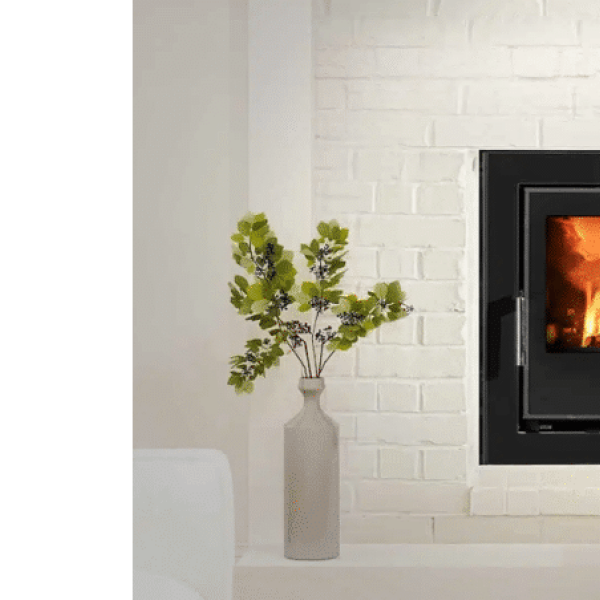
What to Know Before Fireplace Flue Installation
Planning fireplace flue installation starts long before the fireplace arrives at your home. The right setup depends on the fireplace model, the room, the ceiling height, the roof structure and the way the flue will move through the building. Hydrofire guides customers through these choices with practical product knowledge, so you can make a more confident decision before buying a fireplace or flue components.
A fireplace is a long-term home heating investment. It should bring warmth, comfort and visual character to the space, but it also needs careful planning around fireplace safety, product compatibility and professional installation requirements. This guide is not a DIY manual. It is a practical starting point for understanding what to ask, what to check and when to get professional guidance.
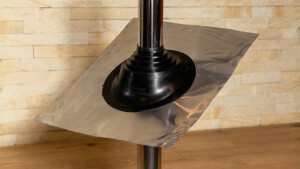
Why the flue deserves as much attention as the fireplace
It is easy to focus on the fireplace first. Style, size and heat output all matter, especially when you are imagining the finished room. The chimney flue, however, is central to how the fireplace and building work together.
The correct flue setup depends on the fireplace model, ceiling height, roof type and installation requirements. A freestanding fireplace and a built-in closed combustion fireplace may need different planning conversations. Roof and ceiling details can also influence which flue components are required.
Good planning gives you a clearer picture of the full project before you commit. It also makes it easier to compare fireplace options with the practical requirements of your home, rather than choosing a product in isolation.
Can you install a fireplace in your home?
Many customers ask, “Can you install a fireplace in this room?” The honest answer is that it depends on the home. Room size, insulation, ceiling height, ventilation, building structure and roof conditions all influence suitability.
The type of fireplace also matters. Freestanding fireplaces can add warmth and character to a living space, while built-in fireplaces create a more integrated feature. Each option should be assessed against the room layout, heat output and flue requirements before purchase.
Hydrofire can provide guidance using clear photos, room measurements, ceiling height and details of the space. House visits are not normally done, so the more accurate your information is, the easier it is for the team to guide you through suitable fireplace and flue options.
What to check before you install a new fireplace
Before you install a new fireplace, pause and look at the project as a whole. A stylish fireplace still needs to suit the building around it, and the flue route should be considered early in the selection process.
-
Measure the room size and ceiling height, and note whether the area is open-plan.
-
Consider the heat output required for the space. Hydrofire’s fireplace output calculator is useful for early guidance.
-
Think about the fireplace position, furniture layout and how the room will be used day to day.
-
Check whether the proposed flue route works with the ceiling and roof structure.
-
Confirm product compatibility, installation requirements and current stock before finalising your purchase.
Flues should be selected and installed with safety, product compatibility and building conditions in mind. If your roofline, ceiling volume or building layout is unusual, final product-specific advice becomes even more important.
Flue parts that may form part of the chimney system
A chimney flue is not a universal kit that suits every fireplace and roof. The parts required depend on the chosen model, the route through the building and the installation requirements for that specific project.
Depending on the fireplace and property, the flue setup may include:
-
Single skin flues or insulated flues.
-
Roof flashing, cowls and ceiling plates.
-
Reducers, adaptors, brackets, chimney covers or bases where appropriate.
Hydrofire highlights CE-certified flues on its site where specified, but the exact product details should always be checked before buying. You can browse the fireplace flues category to view available options, then confirm the final requirements with the team.
How roof type and ceiling height change the plan
Roof type can influence the flue route and the components needed to complete the chimney system. A flat roof, pitched roof or double-volume space can each create different planning considerations. The same applies to homes with complex roof cavities or unusual ceiling structures.
Ceiling height is also important because it affects how the fireplace and flue setup is assessed. Higher ceilings may change the way the system is planned, while lower or more complicated spaces may need careful review before products are selected.
This is one of the reasons Hydrofire asks for clear measurements and photos. Those details give the team a practical starting point for guidance, while final installation requirements should still be confirmed before purchase.
Why fireplace position and height matter
Fireplace position affects more than the look of the room. It influences heat distribution, furniture placement, the possible flue path and how comfortably you use the space. A fireplace should feel natural in the room while still meeting the product and installation requirements.
Built-in fireplaces also need to be considered in relation to the wall structure and surrounding finishes. Freestanding fireplaces need suitable placement in relation to the room layout and flue route. Clearances, ventilation and compatibility should always be confirmed according to the specific fireplace and chimney system.
Good positioning balances warmth, style and practical use. It also gives your installer clearer information to work with once the correct products have been chosen.
What about electric fireplace height from floor?
Electric fireplace height from floor is a common planning question, especially when customers are thinking about TV walls, feature walls or room layouts. There is no single height that applies to every electric fireplace or every home.
The correct position depends on the manufacturer’s instructions, the wall structure, viewing height, furniture placement, heat clearance and electrical requirements. Hydrofire’s main guidance in this article is focused on fireplace and flue planning, but the same principle applies: follow product-specific guidance and use qualified electrical advice where required.
Use the flue calculator as an early planning tool
Hydrofire’s flue calculator is a useful first step when you want to understand what may be required for your fireplace and flue setup. It gives you a clearer starting point before you speak to the team, visit a showroom or finalise your product choice.
The calculator should not replace final product-specific advice. Fireplace choice and flue planning still need to be checked against the model, room requirements and building conditions. Hydrofire’s experienced consultants can then guide you through the next step with the right context.
Common questions before installing a fireplace and flue
Can you install a fireplace in any home?
Not automatically. Suitability depends on the room, roof, ceiling height, ventilation, building structure and fireplace type. Clear photos and accurate measurements give Hydrofire a practical basis for guidance.
Does roof type affect fireplace flue installation?
Yes. Roof type can influence the flue route, roof flashing requirements and overall installation planning. Final guidance should be confirmed before buying the fireplace or flue components.
Can I install a fireplace or flue myself?
This article should not be used as installation instructions. Fireplaces and flues should be selected and installed with professional guidance, correct product compatibility and fireplace safety considerations in mind.
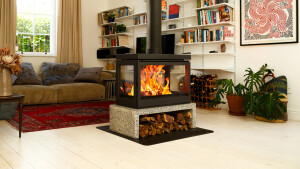
Plan your fireplace and flue with Hydrofire
If you are planning fireplace flue installation, start with the details of your room and roof, then get guidance before you commit. Use the flue calculator, explore the flue category or send an enquiry with your photos, measurements and ceiling height.
You are also welcome to visit Hydrofire’s Cape Town or Johannesburg showroom for personal service and professional guidance. With extensive product and industry knowledge, Hydrofire is your trusted partner in warmth and comfort for South African homes.



.jpg "Traditional vs Ultra-Dense Underfloor Heating Systems")
.jpg "Central Heating Systems for Modern South African Homes")
.jpeg "How to Make My Central Heating More Efficient")
.jpg "Do You Need a Thermostat for Underfloor Heating?")