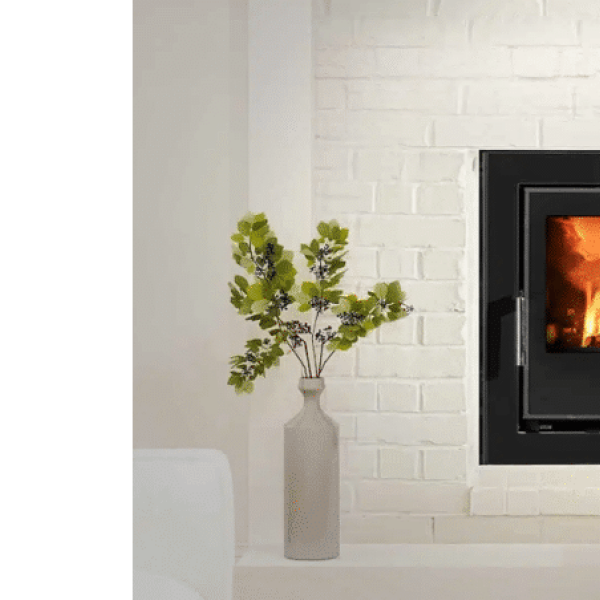
Wood Burning vs. Gas Fireplaces: The Battle of the Burn for South African Winters
When winter arrives in South Africa, the shift is immediate. Mornings are sharper, evenings settle in faster, and suddenly, heating becomes part of daily life rather than an afterthought.
For homeowners looking to invest in a long-term solution, the question often comes down to wood burning vs. gas fireplaces. It’s a conversation that goes beyond preference. In 2026, it’s about efficiency, running costs, and how well a system performs over time.
Choosing the right option isn’t just about warmth—it’s about how that warmth is delivered, what it costs to maintain, and how it fits into your home.
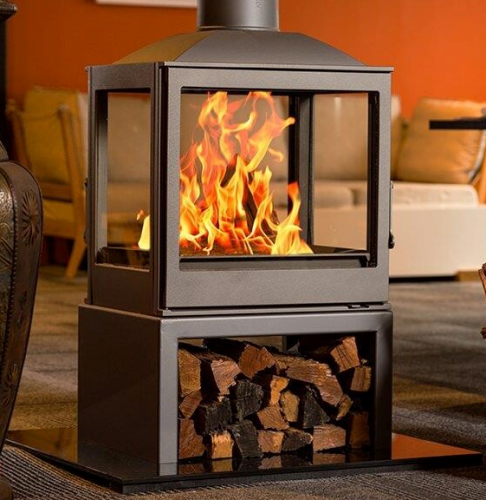
Wood Burning vs. Gas Fireplaces: Two Very Different Approaches to Heat
At first glance, both wood and gas fireplaces serve the same purpose. They heat a room and create a focal point within a living space. But the way they achieve that heat—and what it means for the homeowner—is quite different.
The Enduring Appeal of Wood Burning Fireplaces
There’s a reason wood fireplaces have never disappeared. They offer more than heat. There’s a sense of atmosphere that comes with a real fire—the sound, the movement of the flame, and the natural warmth that fills a space.
What’s often overlooked is how much the technology has improved. Modern closed combustion wood fireplaces are far removed from traditional open designs. They are built to extract as much heat as possible from each log, turning what was once an inefficient option into a serious contender for the best heating for SA winter.
The Practical Simplicity of Gas Fireplaces
Gas fireplaces approach heating differently. Their strength lies in convenience. There’s no preparation, no storage of fuel, and no waiting for heat to build. With a simple switch, the room begins to warm almost immediately.
For homeowners who value ease and control, this makes gas an appealing option. It removes the effort traditionally associated with fireplaces and replaces it with a more streamlined experience.
Efficiency: Where Performance Really Matters
Efficiency is often where the conversation becomes more technical—but it’s also where the most meaningful differences appear.
Wood Burning Efficiency in Modern Systems
With closed combustion technology, wood fireplaces now operate at efficiency levels that were not possible in older systems. Instead of losing heat through the chimney, these units are designed to retain and distribute it throughout the room.
The result is a steady, consistent heat that builds over time. It’s not immediate, but once established, it is difficult to match in terms of depth and coverage.
Gas as a Controlled Heat Source
Gas fireplaces offer a different kind of efficiency. They provide a controlled, predictable output that can be adjusted easily. This makes it simple to maintain a comfortable temperature without constant attention.
However, while both systems perform well in terms of efficiency, the real comparison becomes clearer when running costs are considered.
Running Costs: The Long-Term Reality
Heating is not a once-off decision. It’s something you live with every winter, and over time, the cost of running your system becomes just as important as the initial installation.
Wood as a Cost-Effective Option
Wood remains one of the more affordable heating fuels available in South Africa. When paired with an efficient fireplace, it provides a strong return in terms of heat output relative to cost.
For households that rely on heating regularly, this becomes a noticeable advantage. The system works harder for less, making it a practical choice for long-term use.
Gas and the Cost of Convenience
Gas, on the other hand, offers simplicity at a price. While it removes the need for fuel handling and preparation, it tends to cost more over time, especially when used consistently throughout the colder months.
For occasional use, this may not be a concern. But for homes that require regular heating, the difference becomes more apparent.
Best Heating for SA Winter: It Depends on How You Live
There isn’t a single answer to what qualifies as the best heating for SA winter. The right choice depends on how you use your space and what you expect from your heating system.
Heating for Comfort and Atmosphere
For those who enjoy a more traditional, immersive experience, wood burning fireplaces offer something that gas cannot replicate. The warmth feels deeper, the space feels more grounded, and the experience becomes part of daily life during winter.
Heating for Convenience and Control
For others, the ability to switch on heat instantly and adjust it with minimal effort is more important. Gas fireplaces provide that level of control, making them well suited to modern, fast-paced households.
Why Engineering Matters More Than the Fuel Type
One of the biggest misconceptions in this debate is that the choice of fuel alone determines performance. In reality, how the system is designed and installed plays an equally important role.
The Difference Between a Product and a System
A fireplace is not a standalone item. It is part of a larger system that includes airflow, insulation, and heat distribution. When these elements are not considered properly, even a high-quality unit can underperform.
Hydrofire’s Approach to Getting It Right
Hydrofire approaches each installation as a complete system rather than a simple product placement. This means taking into account the layout of the home, the size of the space, and how heat will move through it.
This level of attention ensures that the chosen system performs as expected—not just on paper, but in everyday use.
More Than a Purchase: A Memorable Service Experience
Choosing between wood burning vs. gas fireplaces is not always straightforward. For many homeowners, it’s a decision that comes with uncertainty.
Guidance That Makes the Difference
What sets the process apart is the level of guidance provided. Instead of pushing a single option, the focus is on helping homeowners understand what will work best for their specific situation.
This includes explaining how each system performs, what it costs to run, and how it will function over time.
Confidence That Lasts Beyond Installation
When a system is chosen with the right information, it removes second-guessing. The result is not just a functioning fireplace, but a solution that fits the home properly.
That clarity is what turns a standard purchase into a more considered, lasting decision.
Wood Burning vs. Gas Fireplaces in 2026: What Actually Wins?
By now, it’s clear that both options have their place. The question is not which one is better in general, but which one is better for you.
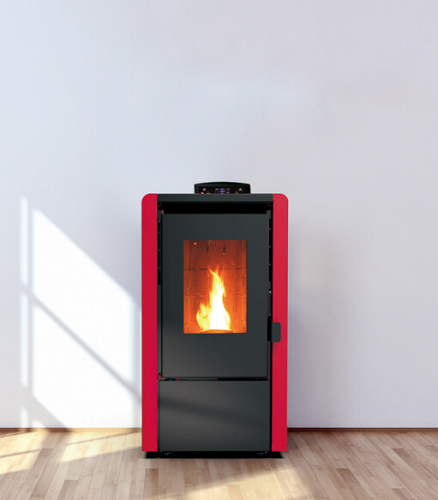
The Strength of Wood Burning Systems
Wood burning fireplaces stand out when it comes to cost efficiency and sustained heat. They are well suited to homes that rely on heating throughout winter and where long-term value matters.
The Strength of Gas Fireplaces
Gas fireplaces remain the preferred option for simplicity and ease of use. They are ideal for situations where convenience is the priority and heating is used more selectively.
Take the guesswork out of winter—speak to Hydrofire and find the heating solution that fits your home and how you actually live.
The debate around wood burning vs. gas fireplaces is not about finding a single winner. It’s about understanding how each system fits into your lifestyle.
With the right advice and a well-designed installation, both options can deliver excellent results. The key is choosing a system that aligns with how you live, how often you use heating, and what you expect from it.
Because in the end, the best heating solution is not the one that looks good on paper—it’s the one that works consistently, every winter, without compromise.


.jpg "Traditional vs Ultra-Dense Underfloor Heating Systems")
.jpg "Central Heating Systems for Modern South African Homes")
.jpeg "How to Make My Central Heating More Efficient")
.jpg "Do You Need a Thermostat for Underfloor Heating?")