Central Heating Installations Cape Town
Central Heating Installations Cape Town for the Winter
Cape Town winters arrive differently depending on where you live. Along the Atlantic Seaboard, the cold moves in with ocean air and heavy rain. In Constantia and Durbanville, mornings settle into a lingering chill that often remains long after sunrise. In larger homes across Bishopscourt, Camps Bay, and the Southern Suburbs, winter tends to move through the entire structure rather than staying confined to a single room.
That is where central heating installations Cape Town homeowners invest in begin to change the experience of the home completely. Instead of heating isolated spaces individually, the entire environment maintains a more balanced and consistent warmth throughout winter.
At Hydrofire, central heating is approached as a fully integrated system designed around the structure, layout, and lifestyle of the property itself. Unlike the company’s Johannesburg showroom, Hydrofire’s Cape Town showroom is where central heating systems are actively showcased and discussed as part of the company’s specialised heating offering for colder Western Cape conditions.
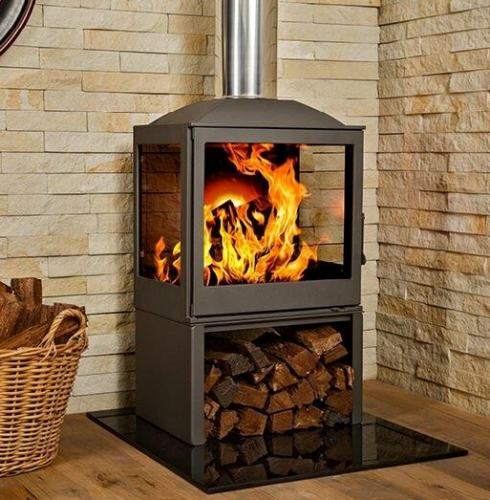
Central Heating Installations Cape Town Designed Around Whole-Home Comfort
There is a major difference between heating a room and heating an entire home. One approach reacts to cold as it appears. The other is designed to maintain comfort consistently across the entire property.
Why Larger Cape Town Homes Require Smarter Heating Design
Homes across areas such as Constantia, Bishopscourt, and Durbanville are often built with open-plan layouts, double-volume ceilings, entertainment areas, and expansive glass features. While these architectural choices create beautiful living spaces, they also make winter heating more complex.
Traditional heating solutions often struggle in larger spaces because warmth remains concentrated in one area while the rest of the home stays cold. The result is uneven temperatures and a constant need to move between heating devices.
Central heating installations Cape Town homeowners are increasingly choosing solve this by treating the property as one connected environment rather than a series of isolated rooms.
Instead of relying on scattered heat sources, warmth is distributed throughout the home in a controlled and balanced way that supports long-term comfort.
A System Designed to Work Quietly in the Background
One of the defining characteristics of central heating is that it becomes almost invisible within the daily rhythm of the home.
A high-performance fireplace heats water, which is then circulated through the property using integrated piping systems. The result is a stable level of warmth that moves naturally through the space without requiring constant adjustment or intervention.
Hydrofire designs these systems to operate quietly and consistently in the background while maintaining the atmosphere and visual comfort homeowners expect from premium living spaces.
Underfloor Heating Cape Town Creates a Different Kind of Warmth
There is a reason underfloor heating feels different from traditional heating systems. Rather than pushing bursts of hot air into a room, warmth rises gradually from beneath the floor itself.
Comfort That Feels Natural Throughout the Home
Cape Town’s winter climate often creates a damp cold that settles into flooring, walls, and open living areas. Underfloor heating addresses this differently by warming the structure of the room from the ground upward.
The result is not overpowering heat, but a softer and more consistent comfort that spreads evenly through the space.
This becomes particularly noticeable in:
Open-plan living areas
Bathrooms
Entertainment spaces
Bedrooms
Tiled interiors
The warmth feels integrated into the home itself rather than introduced from a single external source.
Integrated Heating Creates Better Everyday Living
Hydrofire incorporates underfloor heating Cape Town systems into broader central heating designs that support how homes are actually lived in during winter.
Rather than constantly turning heaters on and off, the system maintains stable temperatures naturally throughout the day. This creates a calmer and more comfortable living environment where warmth becomes part of the home rather than something that must constantly be managed.
Engineering Plays a Major Role in Long-Term Heating Performance
Installing central heating is not simply about selecting a fireplace or underfloor system. The real performance of the system depends heavily on planning, heat transfer calculations, and how the installation interacts with the structure of the property itself.
Every Home Behaves Differently During Winter
The way heat moves through a Camps Bay property differs significantly from how it behaves in a Constantia home surrounded by trees and moisture-heavy air.
Ceiling height, insulation, room orientation, flooring materials, and window placement all affect how effectively warmth moves through the space. Without proper planning, even high-end systems can struggle to maintain consistent comfort.
Hydrofire approaches each installation with input from qualified heat transfer engineers to ensure that every component works together properly within the environment it is designed for.
Central Heating Must Work as One Complete System
Hydrofire’s approach focuses on designing systems where fireplaces, radiators, underfloor heating, piping layouts, and heat output all operate together as a unified solution.
This allows the system to maintain more stable performance across larger homes while avoiding the uneven heating patterns commonly associated with traditional standalone heaters.
The goal is not simply to create heat. It is to create consistency.
Central Heating Installations Cape Town Homeowners Use for Modern Living
Modern Cape Town homes are increasingly designed around open entertainment spaces, indoor-outdoor flow, and year-round usability. Heating systems now need to support these layouts without interrupting the architecture of the property.
Heating Open Spaces Without Disrupting the Design
Large entertainment areas and open-plan interiors often create heating challenges because warmth can dissipate quickly through volume and airflow.
Central heating systems are designed to address this more effectively by distributing warmth evenly throughout connected spaces. Instead of relying on visible heating units throughout the home, the system becomes integrated into the structure itself.
This allows homeowners to maintain clean architectural lines while still creating comfortable winter living environments.
Invisible Comfort Often Creates the Best Results
One of the reasons homeowners increasingly choose central heating is because it becomes part of the home rather than dominating the room visually.
There are no portable units, exposed heating devices, or clutter interrupting the design of the space. The system works quietly in the background while maintaining warmth throughout the property.
Hydrofire’s installations focus heavily on balancing performance with architectural integration so that heating feels natural within the home environment itself.
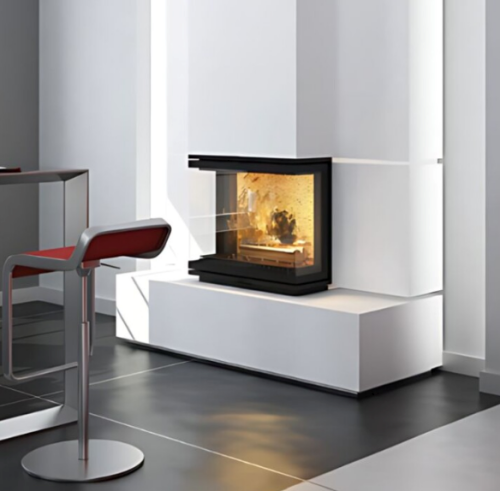
Explore Cape Town While Visiting the Hydrofire Showroom
A visit to Hydrofire’s Cape Town showroom can easily be combined with some of the city’s most well-known destinations and scenic routes.
V&A Waterfront
The V&A Waterfront remains one of Cape Town’s most visited destinations, offering restaurants, harbour views, shopping, and entertainment spaces along the Atlantic coastline.
From Hydrofire’s Paarden Eiland showroom, the Waterfront is approximately 10 to 15 minutes away via Marine Drive and the N1 depending on traffic conditions. Late afternoon traffic near the harbour area may increase travel times slightly during weekends.
Table Mountain Cableway
Table Mountain remains one of Cape Town’s most iconic attractions, offering panoramic views across the city, coastline, and surrounding mountains.
Visitors travelling from the showroom can reach the lower cableway station in roughly 20 minutes via the N1 and Tafelberg Road. During peak tourism periods, early morning visits are recommended to avoid longer vehicle queues near the entrance.
Kirstenbosch National Botanical Garden
Kirstenbosch offers a quieter contrast to the city centre with indigenous gardens, mountain scenery, and walking paths beneath the eastern slopes of Table Mountain.
From Paarden Eiland, the route generally follows the N2 and Rhodes Drive, with travel times averaging 20 to 30 minutes depending on traffic flow through the Southern Suburbs corridor.
Hydrofire Creates Long-Term Heating Solutions for Cape Town Homes
Cape Town’s winter climate requires heating systems capable of supporting comfort consistently across larger and more architecturally complex homes. As homeowners place greater emphasis on long-term comfort, energy efficiency, and integrated living spaces, central heating continues becoming an increasingly practical solution for modern Western Cape properties.
Hydrofire continues working with homeowners across the Western Cape to design central heating installations Cape Town families can rely on for long-term comfort, integrated underfloor heating, and carefully engineered whole-home warmth designed specifically for Cape Town living.