Fireplaces Cape Town
Fireplaces Cape Town and
Winter in Cape Town has a personality of its own. It’s not just cold—it’s damp, coastal, and persistent. The kind of cold that settles into walls, lingers in open-plan spaces, and turns a house into something that never quite feels warm.
That’s why choosing the right fireplaces Cape Town solution isn’t just about heat—it’s about how that heat performs in a coastal environment.
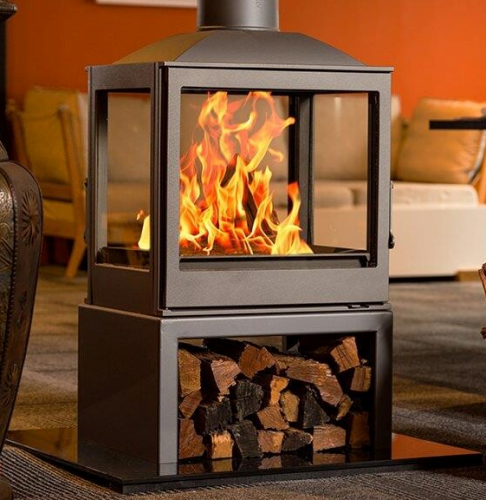
At Hydrofire’s Paarden Eiland showroom, the focus is on systems that are built to handle exactly this. From high-output units to durable wood stoves Paarden Eiland, the goal is simple: create warmth that holds, even when the weather doesn’t let up.

Fireplaces Cape Town Designed for Coastal Conditions
Cape Town’s winters are shaped by more than temperature. Moisture in the air changes how heat behaves inside a home.
Why Humidity Changes Everything
In dry climates, heat rises and settles quickly. In coastal areas like the Atlantic Seaboard and Southern Suburbs, moisture slows that process down. Warm air feels less effective, and rooms take longer to reach a comfortable temperature.
This is why lower-output or purely decorative fireplaces often fall short in Cape Town homes. They may look the part, but they struggle to deliver consistent warmth.
The Need for High-Output Heating
Hydrofire focuses on fireplaces that generate and retain heat at a higher level. Closed combustion systems and cast iron units are particularly effective, as they:
Produce strong, sustained heat
Retain warmth for longer periods
Perform consistently in damp conditions
This approach ensures that the fireplace is not just part of the design—but part of how the home functions through winter.
Wood Stoves Paarden Eiland: Built for Performance and Durability
In coastal environments, materials matter as much as output.
Why Cast Iron Is the Preferred Choice
Cast iron has become a reliable material for wood stoves Paarden Eiland because of its durability and heat retention. It absorbs heat during combustion and releases it gradually, creating a more stable indoor temperature.
In Cape Town’s wet winters, this makes a noticeable difference. Instead of heat fading quickly, it lingers—keeping the room comfortable long after the fire has settled.
Standing Up to Coastal Air
Salt in the air can affect materials over time. Hydrofire’s selection of European-sourced units is designed to handle these conditions, offering long-term reliability without compromising on performance.
It’s a detail that matters, especially in homes closer to the Atlantic coastline where exposure is higher.
Fireplaces Cape Town for Atlantic Seaboard Living
Homes along the Atlantic Seaboard are known for their views—but those views often come with exposure to wind and moisture.
Heating Open, Wind-Exposed Spaces
Large windows, open-plan layouts, and high ceilings create beautiful living environments, but they also make heating more challenging.
A standard fireplace may struggle to maintain warmth in these conditions. High-output systems, on the other hand, are designed to compensate for heat loss and maintain a steady temperature.
Creating a Space That Feels Balanced
The goal is not just to generate heat, but to distribute it effectively. Hydrofire systems are designed to work within the structure of the home, ensuring that warmth reaches beyond the immediate area around the fireplace.
Southern Suburbs: Consistent Warmth for Family Homes
In the Southern Suburbs, homes tend to be more enclosed—but the damp cold is just as present.
Heating for Everyday Living
Unlike occasional-use spaces, these homes require heating that can support daily routines. Early mornings, evenings, and weekends all demand consistent performance.
This is where closed combustion fireplaces and wood stoves come into their own. They provide a level of reliability that makes heating part of everyday comfort, rather than something used occasionally.
A Practical Approach to Winter Comfort
Hydrofire’s approach in these areas focuses on matching the system to the way the home is used. It’s not about installing the biggest unit—it’s about installing the right one.
The Hydrofire Paarden Eiland Showroom Experience
Choosing a fireplace is easier when you can see how it works.
More Than a Display Space
The Paarden Eiland showroom is designed to give homeowners a practical understanding of how different systems perform. It’s not just about appearance—it’s about how heat is generated, retained, and distributed.
Visitors can explore a range of fireplaces and wood stoves, gaining a clearer sense of what suits their space.
Guidance That Makes the Difference
Hydrofire’s team works closely with clients to understand their requirements. This includes:
Assessing the size and layout of the home
Considering insulation and airflow
Recommending systems that match both performance and design
This level of guidance ensures that the final choice is based on how the fireplace will actually function.
Fireplaces Cape Town as a Long-Term Investment
A fireplace is not a short-term purchase. It’s part of how a home operates for years to come.
Reducing Reliance on Electric Heating
With rising electricity costs, many homeowners are looking for alternatives. Wood-burning systems provide a way to generate heat independently, reducing overall energy usage during winter.
Adding Value to the Home
A well-installed fireplace becomes a defining feature. It enhances both the functionality and appeal of the space, making it a worthwhile addition from both a lifestyle and property perspective.
Explore the Area: Atlantic Seaboard & Southern Suburbs
While visiting Hydrofire’s showroom, it’s worth exploring some of Cape Town’s most iconic nearby areas.
Table Mountain (Southern Suburbs Access)
One of the city’s most recognisable landmarks, Table Mountain offers panoramic views and a chance to experience Cape Town’s natural beauty.
Route to Hydrofire:
From Table Mountain (via the cableway), take Tafelberg Road down to Kloof Nek, merge onto De Waal Drive (M3), then follow signs toward Paarden Eiland via the N1. Exit toward Marine Drive and continue to Milner Street.
Camps Bay Beach (Atlantic Seaboard)
Known for its coastline and mountain backdrop, Camps Bay is a popular stop along the Atlantic Seaboard.
Route to Hydrofire:
From Camps Bay, take Victoria Road (M6) toward Sea Point, continue onto Beach Road, then connect to the N1 via Buitengracht Street. Follow the N1 toward Paarden Eiland and take the Marine Drive exit.
Kirstenbosch Botanical Gardens (Southern Suburbs)
A quieter destination, Kirstenbosch offers a different perspective on Cape Town’s landscape.
Route to Hydrofire:
From Kirstenbosch, take Rhodes Drive (M63) to the M3 highway. Follow the M3 toward the city, merge onto the N1, and exit at Marine Drive for Paarden Eiland.
Winter-Proofing the Mother City
Cape Town winters demand more from a heating system. It’s not just about temperature—it’s about moisture, airflow, and how heat holds within a space.
Choosing the right fireplaces Cape Town solution means understanding these conditions and selecting a system that can handle them.
With Hydrofire’s range of high-output units and durable wood stoves Paarden Eiland, homeowners can create spaces that stay warm, even when the weather doesn’t cooperate.
Because in the end, winter-proofing your home isn’t about adding heat—it’s about choosing a system that keeps it there.